Practicing the four steps — 1. Stop, 2. Find Options, 3. Engage, and 4. Disengage — can significantly improve our habits by introducing a structured approach to decision-making and action-taking. Each step activates different cognitive processes and neural pathways, promoting better self-regulation and adaptability.
Overall Benefits for Habit Formation
Using these four steps regularly helps us cultivate healthier habits by aligning our conscious intentions with automatic behaviors, ensuring long-term success in personal growth.

Some people think the I Ching or Tarot cards are magical, like they can read your mind. It feels like the cards or a computer know exactly what’s going on in your life. But really, it’s not magic—it’s just the way things work in the present moment. When you ask a question, your mind is already full of thoughts and feelings. The cards or app don’t read your mind—you see your own thoughts in them.
The present moment holds all the clues. Your body, your emotions, and your energy are already giving you information. When you use cards or an app, it’s like looking in a mirror. What shows up matches how you feel or what you’re going through. It seems amazing, but it’s just your mind making sense of the moment with a little help from the outside.
So, it’s not really magic—it’s more like physics. Everything around you responds to what you bring to it. The cards don’t have special powers. You do. When you slow down and pay attention, it feels like the world is speaking to you. But really, you’re just hearing yourself more clearly.
Mind Guessing Meditation is a practice that combines traditional meditation—focusing on the breath and posture—with gentle, intuitive reflection. While remaining centered and calm, you allow yourself to make quiet inner statements like:
This meditation helps train empathy and insight, not by needing to be right, but by calmly exploring possible motivations and emotions in others. The focus stays soft and meditative, grounded in breath and posture, while the mind gently explores meaning.
Approx. 15–30 minutes
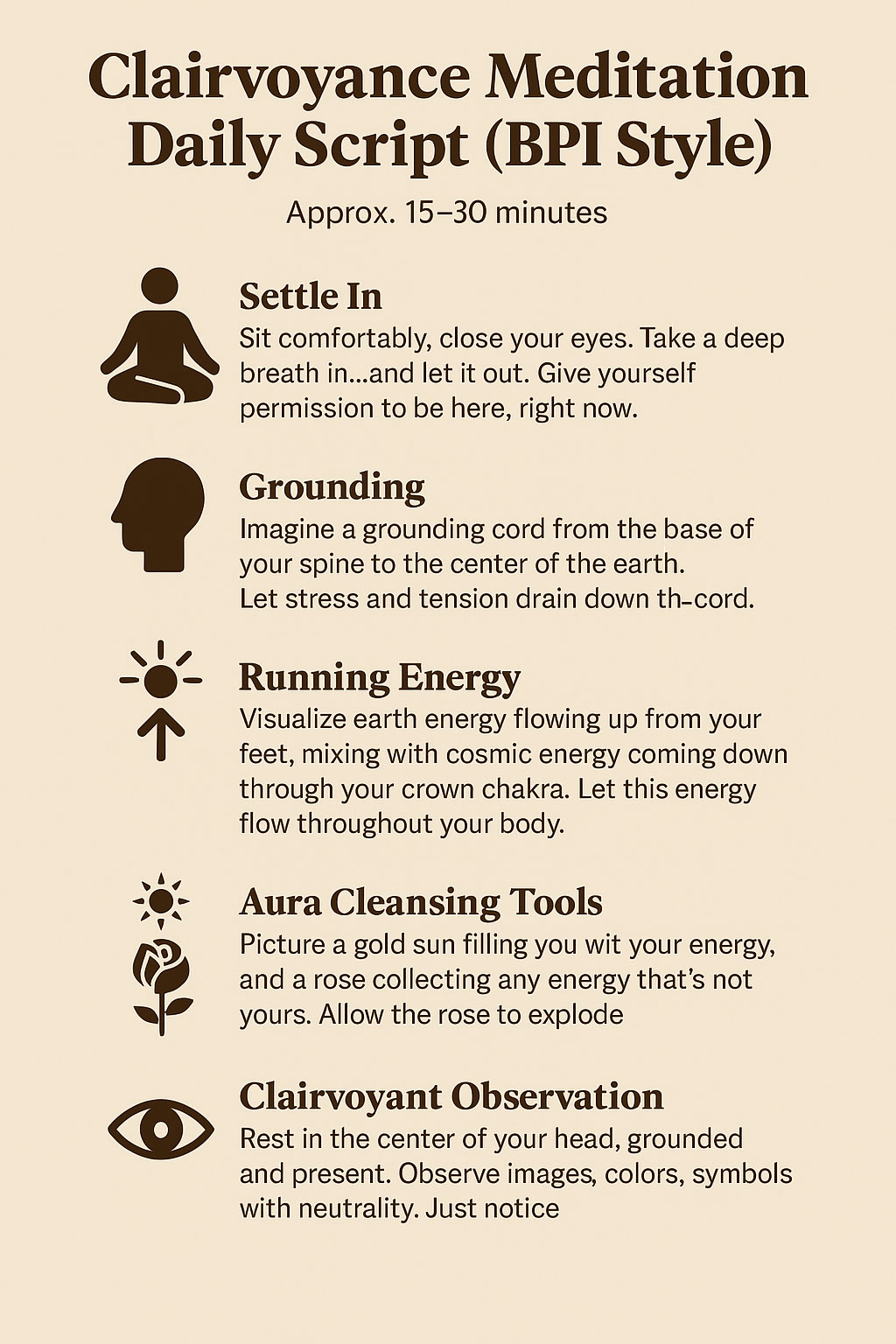
Sit comfortably with your feet flat on the ground and your hands resting in your lap.
Close your eyes.
Take a deep breath in… and let it out.
Give yourself permission to be here. Right now.
Now imagine a grounding cord extending from the base of your spine down to the center of the Earth.
This cord could be a tree trunk, a rope, a beam of light—whatever feels right to you.
Let this grounding cord connect you to the Earth.
Allow any stress, tension, or thoughts that don’t belong to you to drain down this cord.
Take a moment to feel the support of the Earth beneath you.
Next, bring your attention to the center of your head, your sixth chakra.
Picture yourself sitting in a small comfortable chair right in the middle of your head.
This is your command center.
Here, you can observe clearly, without judgment or effort.
Let everything else fall away.
Just be here, present.
Now, begin to run Earth energy:
Visualize cool Earth energy flowing up from the center of the Earth, into the bottoms of your feet.
Let it flow up your legs and gather at the base of your spine.
Now add cosmic energy:
Picture bright, high-vibration light coming in through the top of your head.
Let it travel down your spine to mix with the Earth energy.
Together, the Earth and cosmic energy form a fountain of light:
Let it flow up your spine, out the top of your head, and cascade down around your body like a gentle waterfall.
Let this energy cleanse and refresh your entire aura.
Let anything you don’t need flow out through your grounding cord.
Picture a beautiful gold sun above your head.
Let it fill with your own energy—light, warm, healing, joyful.
Now bring that sun down through the top of your head, letting it fill every cell of your body.
Let it restore your space with your own true energy.
Imagine a rose floating in front of you.
This rose collects any energy that’s not yours.
Let it absorb tension, judgments, or cords from others.
When it feels full, imagine it drifting away and exploding in light, releasing that energy to the universe.
Now, just rest in the center of your head, grounded and present.
From this space, observe anything that shows up—images, colors, symbols, or simply stillness.
No need to analyze or fix—just notice.
You are the observer.
You are the seer.
You are the light behind the eyes.
When you’re ready, take a few deep breaths.
Wiggle your fingers and toes.
Gently open your eyes.
Bring the clarity and stillness of this meditation with you into the rest of your day.
Some ideas:
Begin by bringing your attention to your breath. Let it be slow and natural. Feel the rhythm of your breathing—each inhale bringing in calm, each exhale releasing tension. Now, silently repeat to yourself: "May I be safe. May I be happy. May I be healthy. May I live with ease." Let these words sink into your heart. Don’t worry if it feels mechanical at first—just allow the phrases to echo gently, like a soft bell ringing in a quiet room.
Now bring to mind someone you care about deeply. Picture their face and feel their presence in your heart. Silently offer them the same loving-kindness: "May you be safe. May you be happy. May you be healthy. May you live with ease." Let the warmth of your well-wishing radiate toward them, like sunlight or a gentle breeze. If you wish, extend it to others in your life—friends, family, or even someone you find difficult.
Finally, open your heart to the world. Imagine sending waves of loving-kindness outward in all directions—to every living being, near and far. "May all beings be safe. May all beings be happy. May all beings be healthy. May all beings live with ease." Let your heart be spacious and open, filled with kindness like a vast, calm sea. Rest here for a few more breaths, savoring the peace and connection you've created.
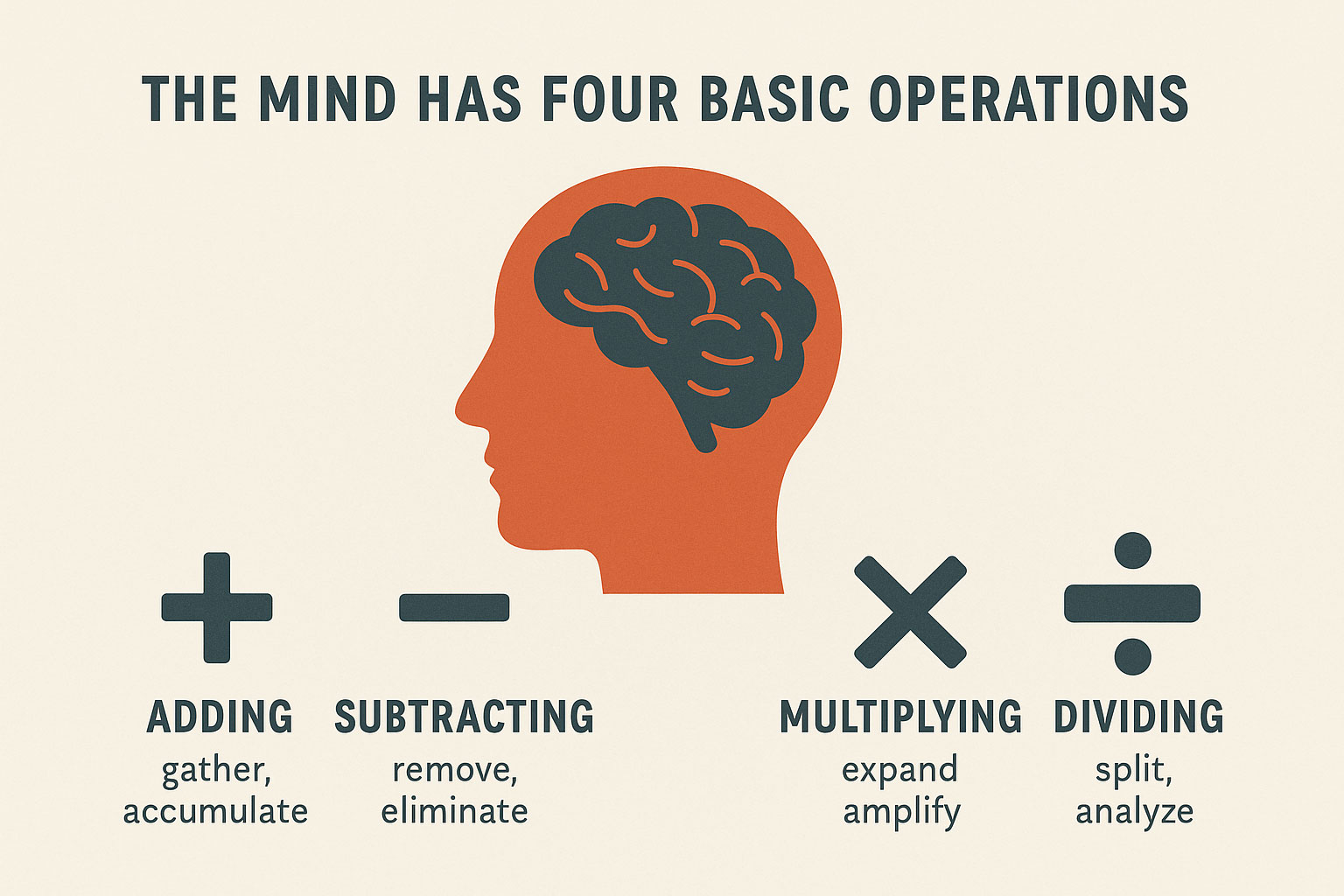
The mind performs four basic operations much like arithmetic: adding, which means gathering thoughts, emotions, or experiences to build understanding; subtracting, which involves letting go of distractions or outdated beliefs; multiplying, where ideas or emotions are expanded and amplified, often through creativity or emotional resonance; and dividing, which is the process of analyzing, separating, or categorizing thoughts and attention. These functions help us navigate life by managing input, processing complexity, and creating clarity.
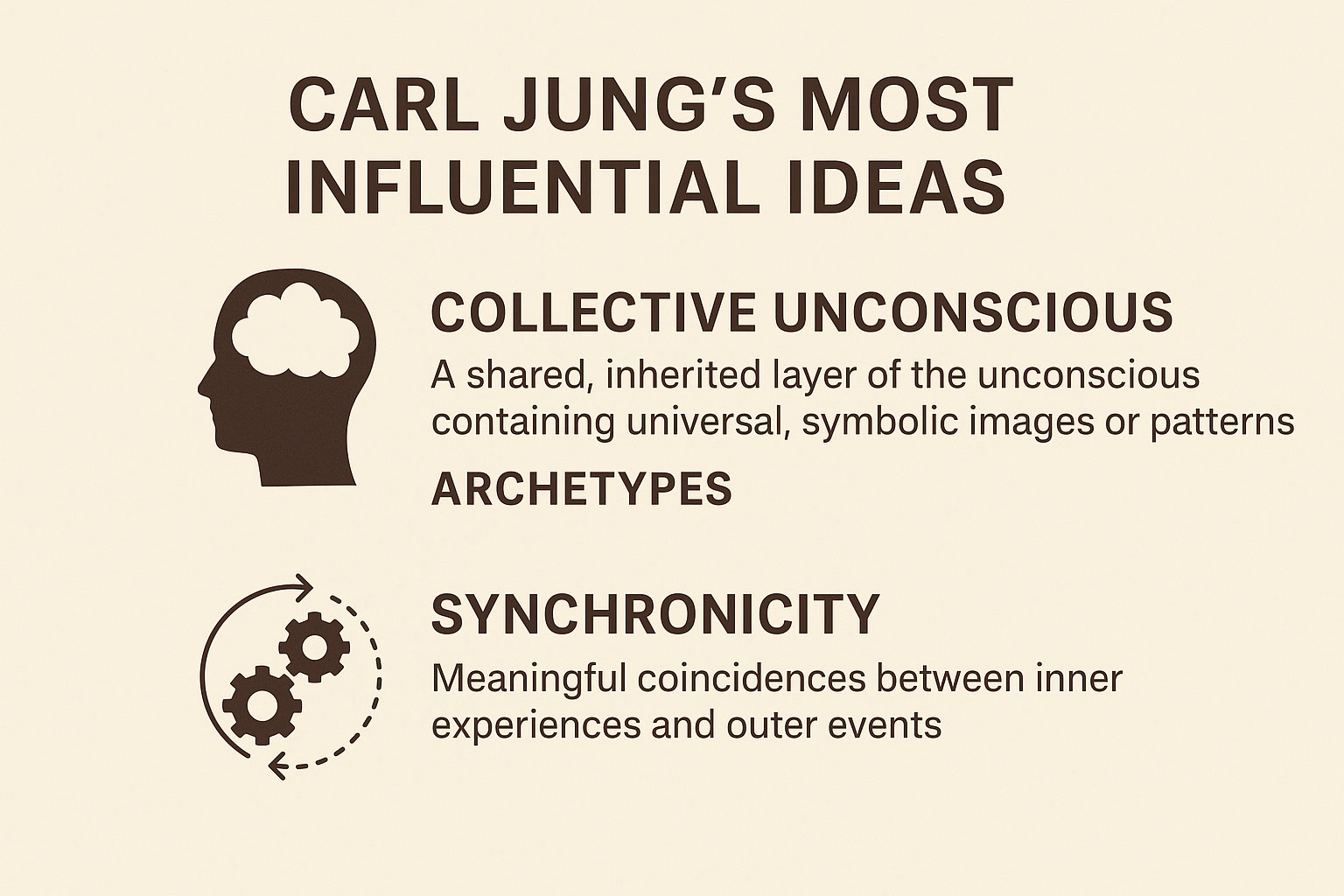
Carl Jung’s most influential ideas include the collective unconscious, a shared, inherited layer of the unconscious mind that contains universal patterns and symbolic images called archetypes, such as the Hero, the Shadow, or the Mother. These archetypes shape human thoughts, behaviors, and cultural myths across all societies. Jung also introduced the concept of synchronicity, which refers to meaningful coincidences where inner experiences and outer events align in a way that defies causal explanation, revealing a deeper connection between psyche and the universe. Together, these ideas form the foundation of Jungian psychology and emphasize the symbolic, interconnected nature of human experience.
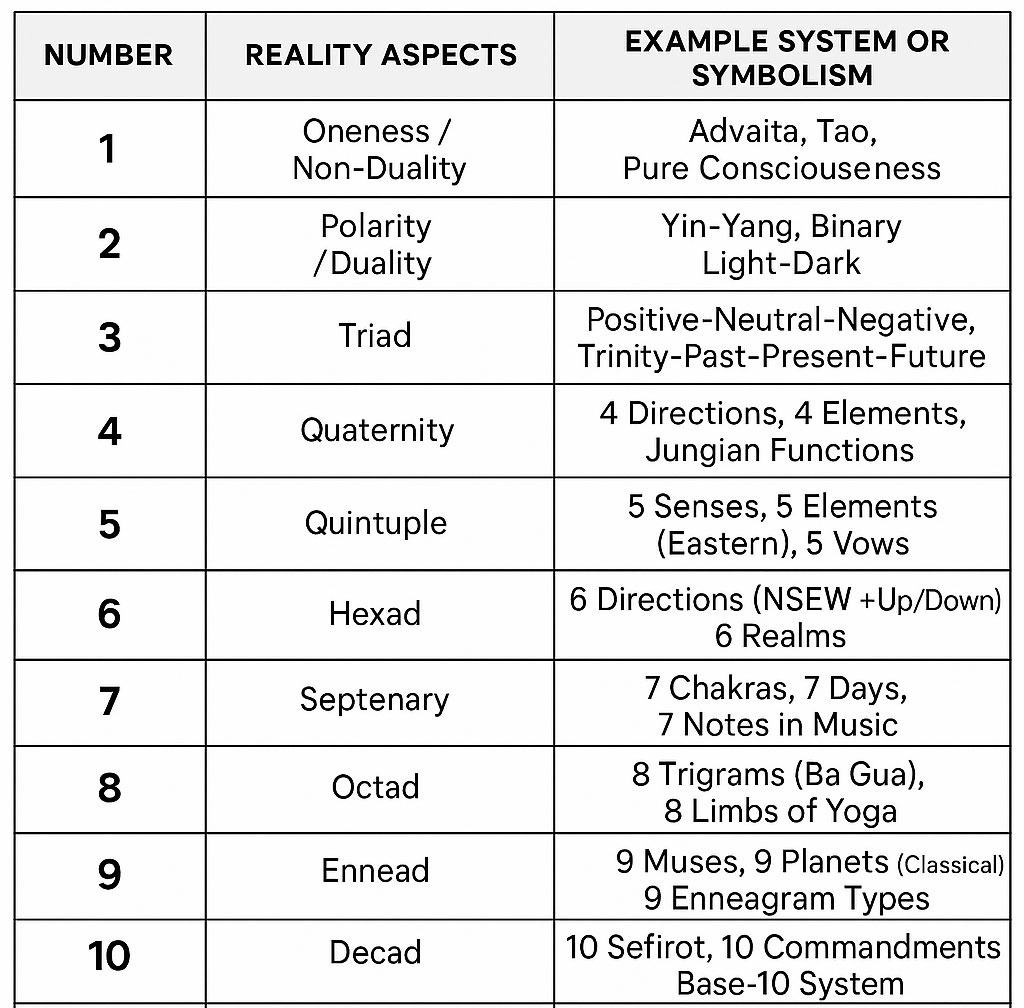
Reality can be viewed through a flexible lens that divides it into anywhere from 1 to 9 aspects, each framework revealing a different system of understanding. Seeing 1 aspect gives rise to unity or non-duality—pure being or consciousness. Dividing into 2 brings polarity, such as yin and yang, or self and other. 3 introduces a dynamic relationship, like the triad of body-mind-spirit or past-present-future. With 4, we get structure and balance, such as the four elements or the four directions. 5 may suggest the human form—head, arms, and legs—or five senses. 6 introduces harmony and complexity, often seen in sacred geometry like the hexagon. 7 can point to spiritual systems like chakras or days of the week. 8 suggests cycles and boundaries, like the I Ching’s trigrams or directions in space. 9 completes a broader pattern, symbolizing wholeness, completion, or synthesis, such as in numerology or the enneagram. Each number reveals a distinct but equally valid perspective on how reality can be known, felt, and organized.
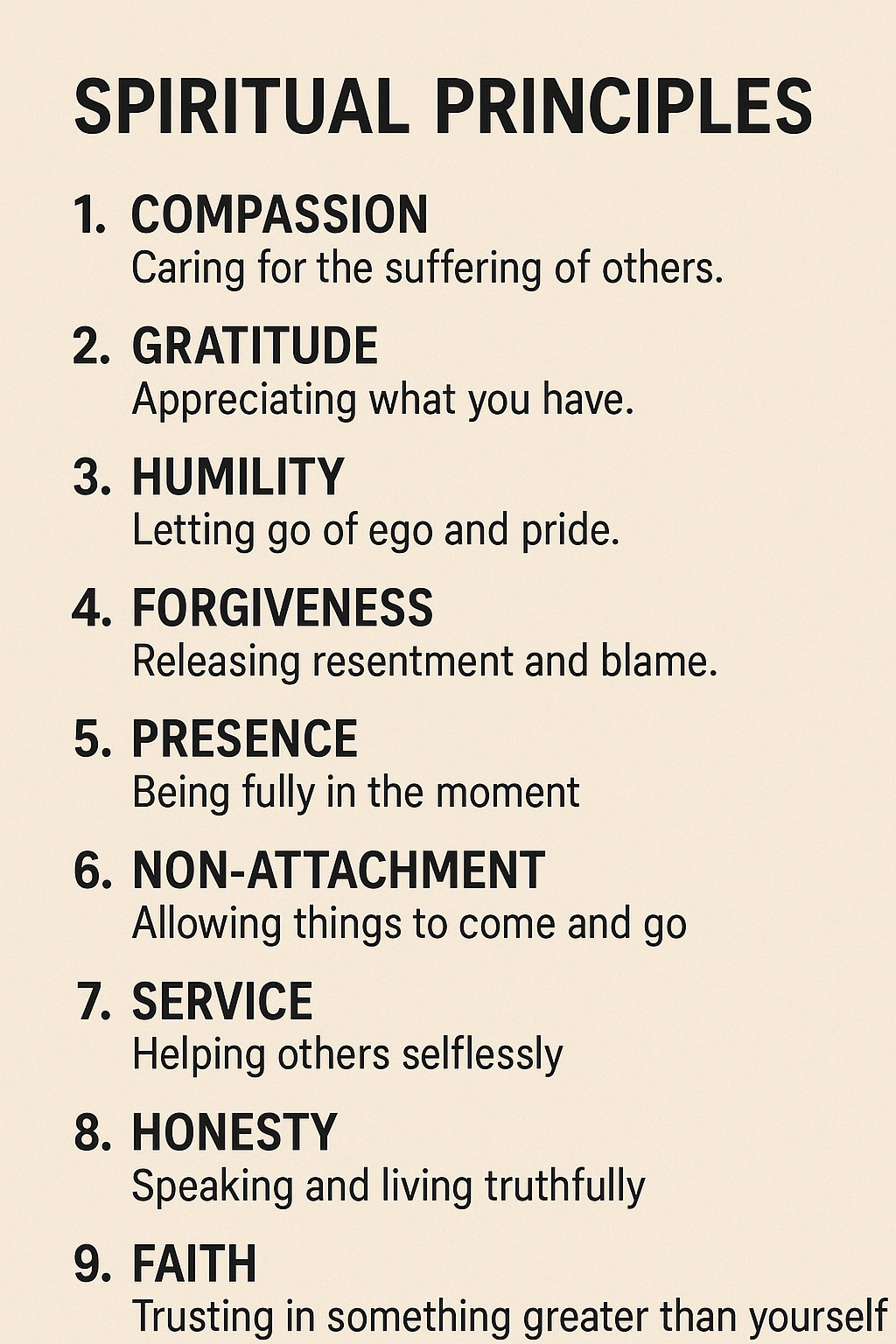
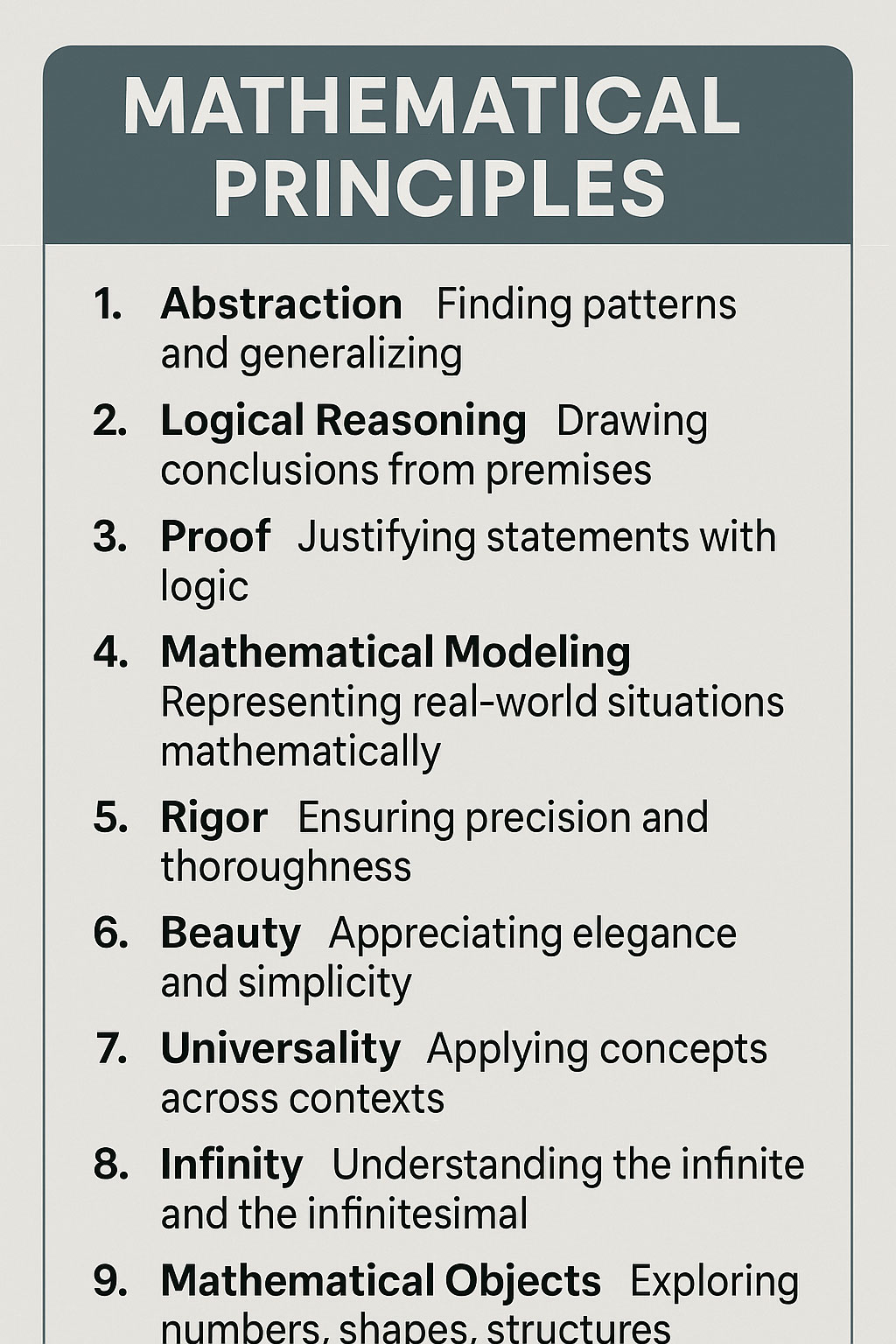
Nine foundational physics principles describe how the universe behaves at fundamental levels.
Together, these principles shape our understanding of motion, energy, matter, and the nature of reality.
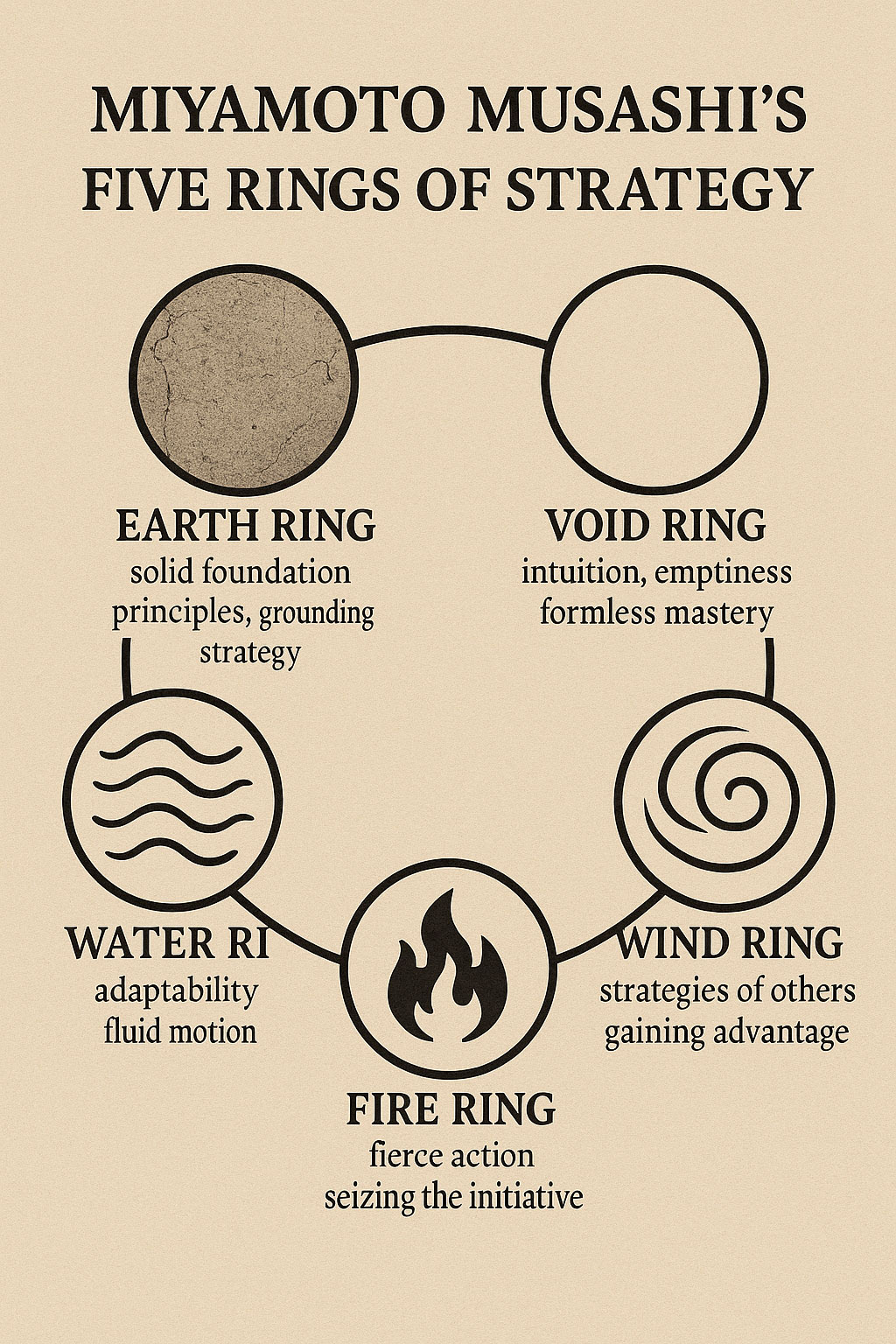
Miyamoto Musashi’s Five Rings of Strategy, from his book The Book of Five Rings, outlines a path to mastery through five metaphorical elements: Earth, Water, Fire, Wind, and Void. The Earth Ring represents solid foundational principles and grounding in strategy; the Water Ring teaches adaptability and fluid motion in combat and life; the Fire Ring focuses on fierce, decisive action and seizing the initiative; the Wind Ring involves understanding the strategies of others to gain an advantage; and the Void Ring points to the realm of intuition, emptiness, and the formless source of true mastery. Together, they form a holistic approach to strategy that applies not only to martial arts but also to leadership, conflict resolution, and personal growth.
Creating and respecting boundaries involves clearly identifying and communicating your physical, emotional, mental, and spiritual limits while honoring those of others. Healthy boundaries protect your well-being, support mutual respect, and prevent resentment by clarifying what is acceptable and what is not in relationships and interactions. Establishing boundaries requires self-awareness, assertiveness, and consistency, while respecting others’ boundaries involves listening, observing, and not overstepping. It’s not about control or isolation, but about creating safe space for authenticity, trust, and balanced connection. Boundaries are a form of self-care and mutual care, allowing relationships to thrive with clarity and respect.
The I Ching teaches that life is a continuous flow of change, and wisdom comes from aligning ourselves with the natural rhythms of the universe rather than resisting them. It emphasizes the importance of humility, patience, adaptability, and self-awareness, encouraging us to act in harmony with the time and circumstances. Every situation, whether fortunate or difficult, contains the seeds of transformation, and by observing the subtle shifts around and within us, we can make decisions that cultivate balance, virtue, and growth. True success, according to the I Ching, arises not from force but from understanding and flowing with the deeper patterns of life.
Time:
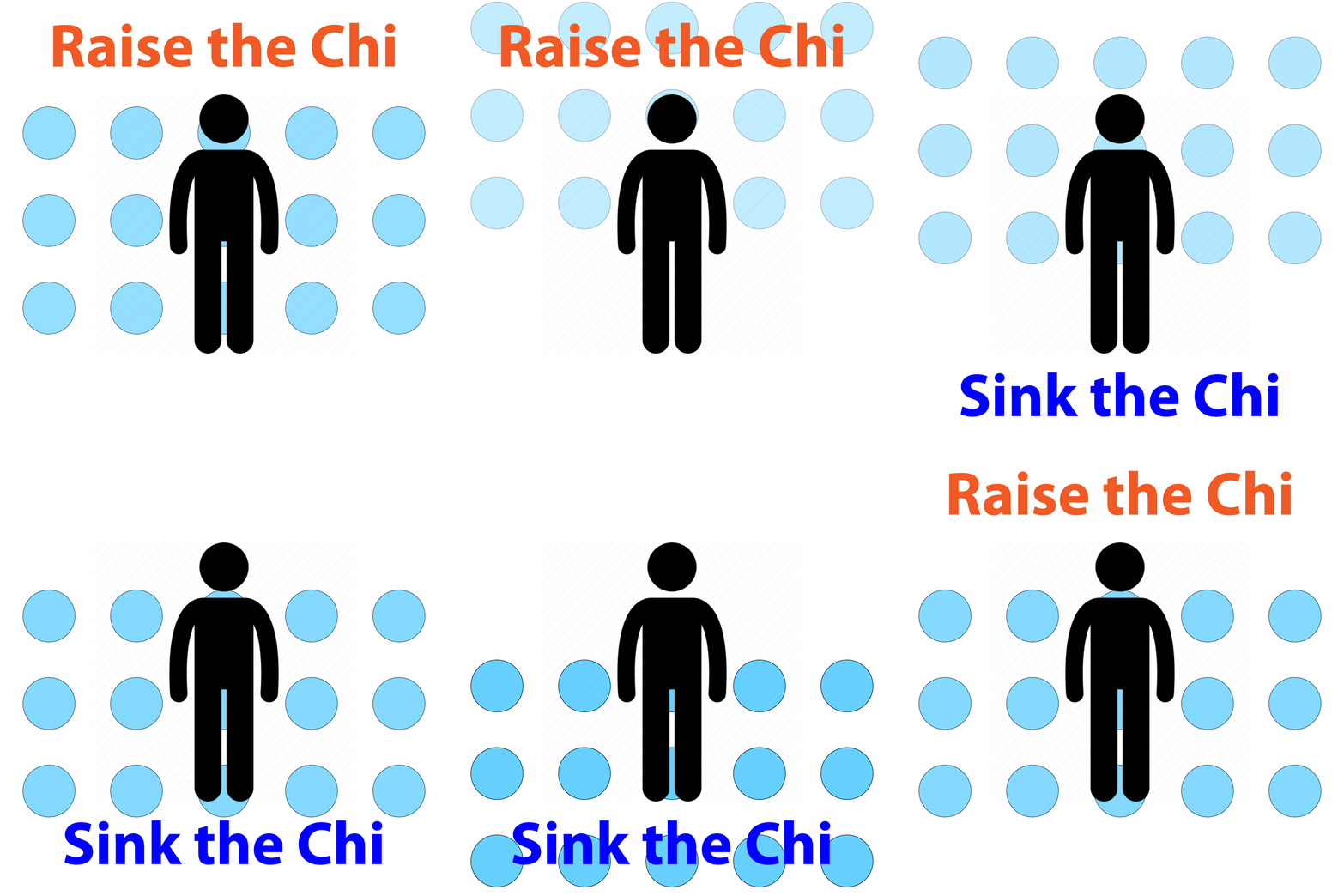
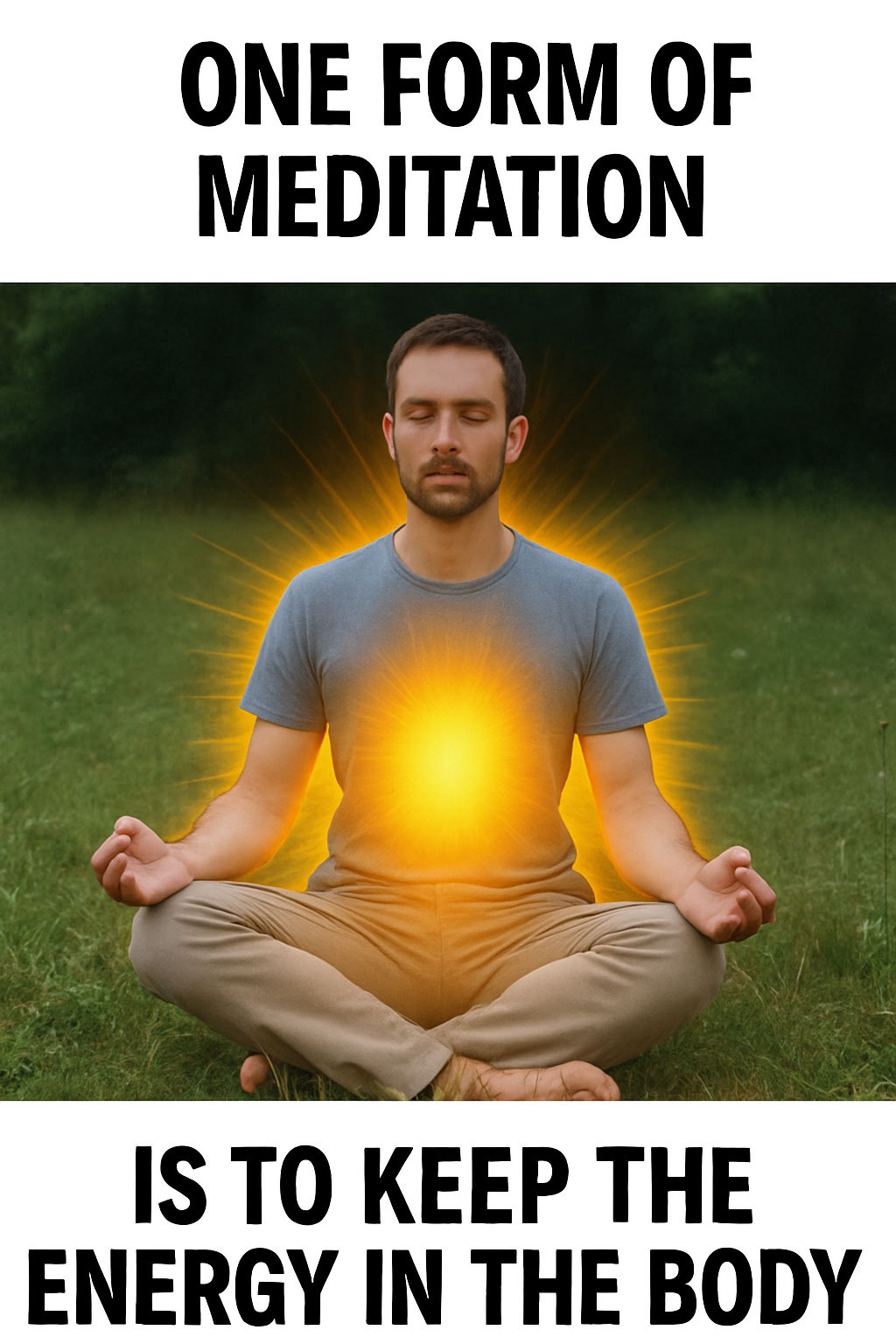
One of the main ways energy flows in the human body is up and down. Energy rises and we get excited; energy falls and we get depressed. You can raise and lower the energy slightly with the mind; raise it and lower it more using the arms and body; and even more by standing up and lying down. Some people raise the energy with a cup of coffee and lower it with a cup of water. Some people try to raise the energy at the beginning of the hour with Tai Chi or aerobic exercise, and lower the energy at the middle of the hour with Yoga or mat exercises.
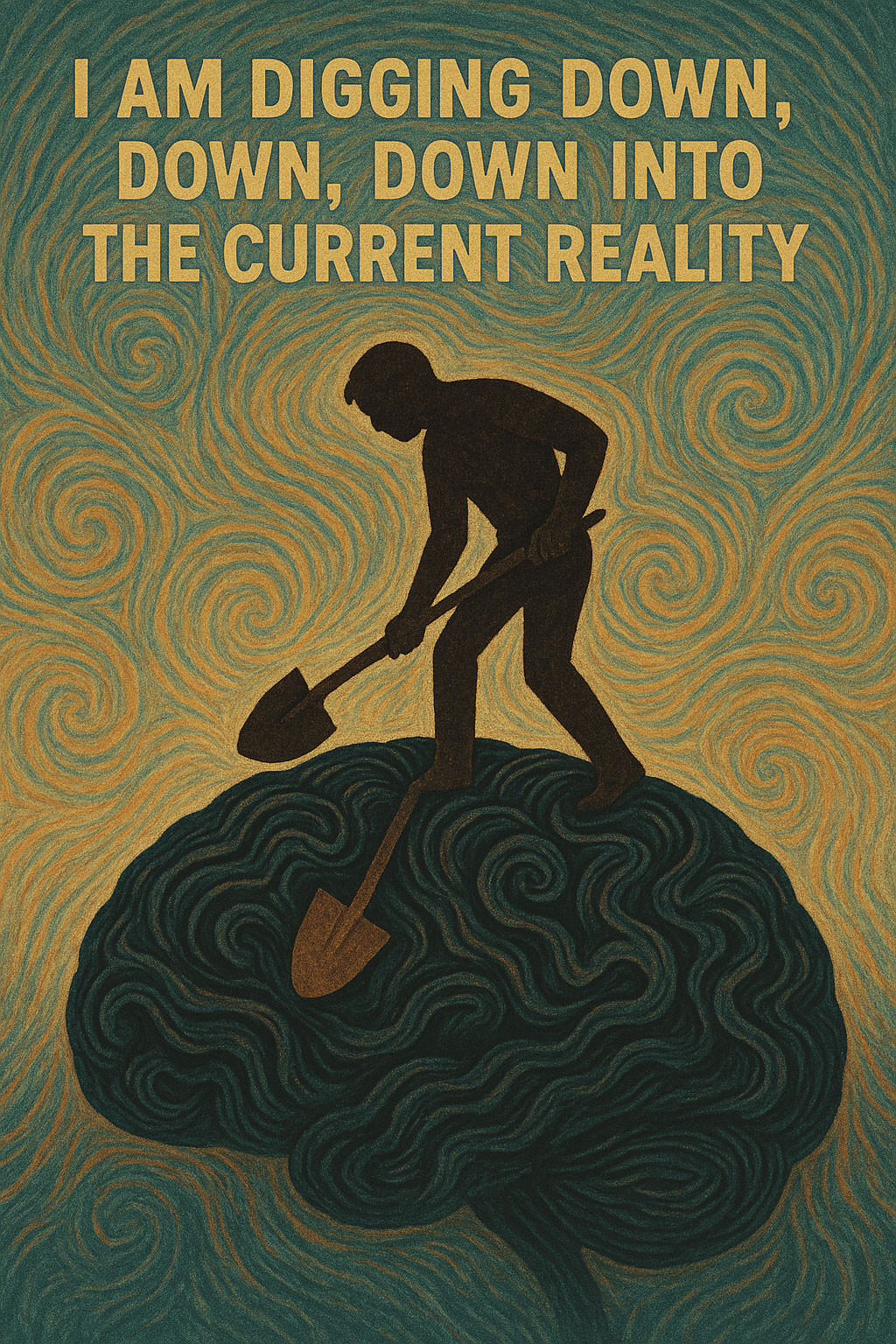
You can even use an affirmation such as “My Goal is to Raise the Energy,” or “I am digging down down down into details,” to raise or lower the energy.
Time: (Repeats 30s)
Time: (Repeats 30s)
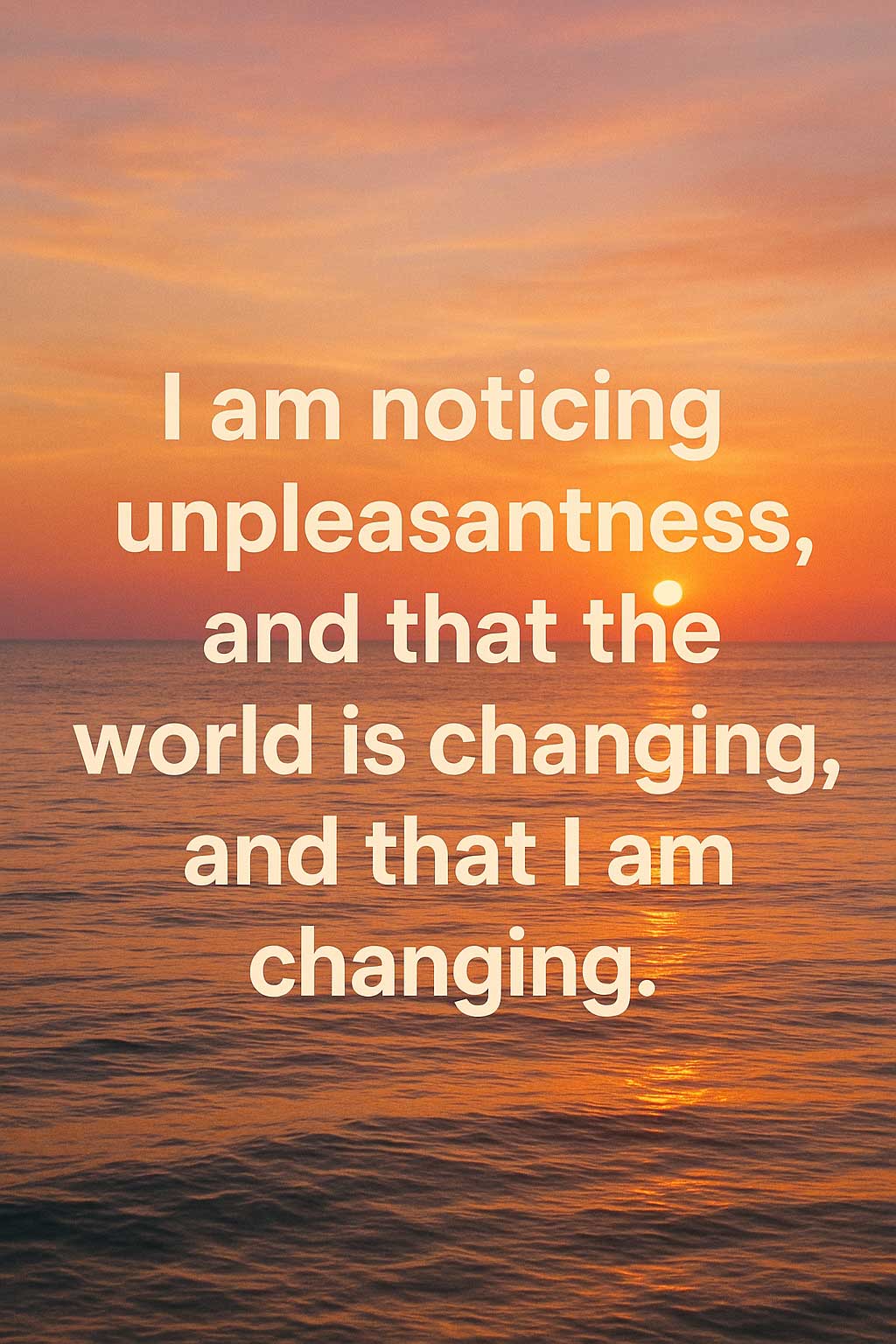
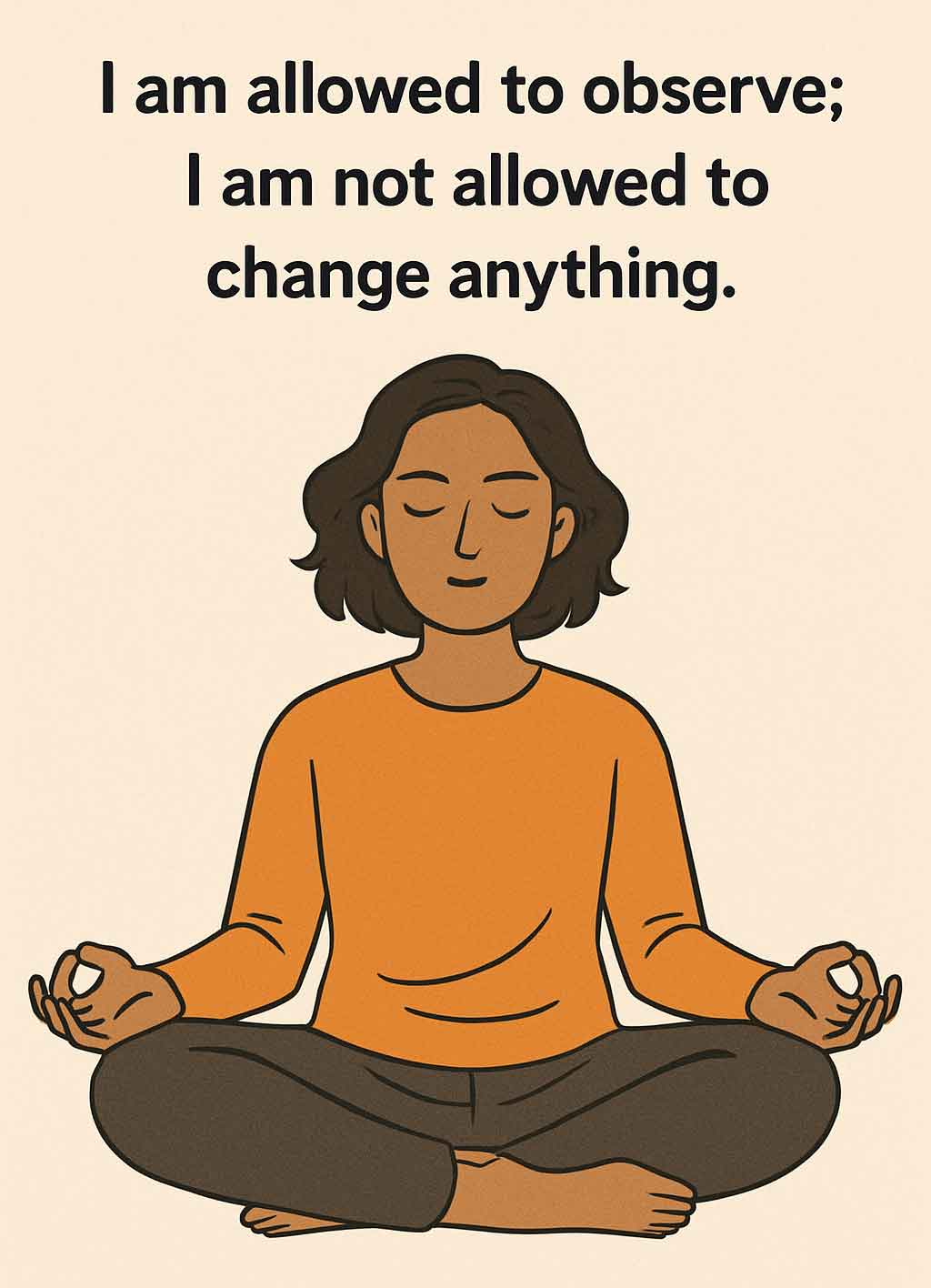
The Buddha’s meditation instructions, as taught in the Satipatthana Sutta (The Discourse on the Foundations of Mindfulness), guide practitioners to cultivate awareness through four main areas: the body, feelings, mind, and mental objects. Practitioners begin by observing the breath and bodily sensations, then develop awareness of feelings as pleasant, unpleasant, or neutral, followed by recognizing mental states such as desire or aversion, and finally contemplating deeper teachings like impermanence, suffering, and non-self. The emphasis is on direct observation, sustained attention, and equanimity, with the goal of seeing things as they truly are—leading to insight, liberation, and the end of suffering.
Time: (Repeats 30s)
Time: (Repeats 30s)

Time: (Changes 1m)
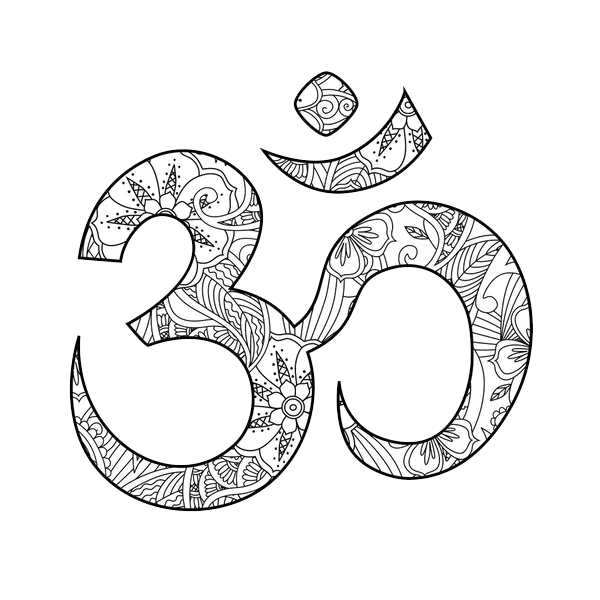
The sound Om (or Aum) is considered the primordial vibration of the universe, symbolizing the essence of all existence and consciousness. It is composed of three syllables—A (creation), U (preservation), and M (dissolution)—representing the cycles of life and the union of body, mind, and spirit. Chanting Om is believed to align one with universal energy, bringing a sense of peace, clarity, and connection to the divine.
Time: (Repeats 30s)
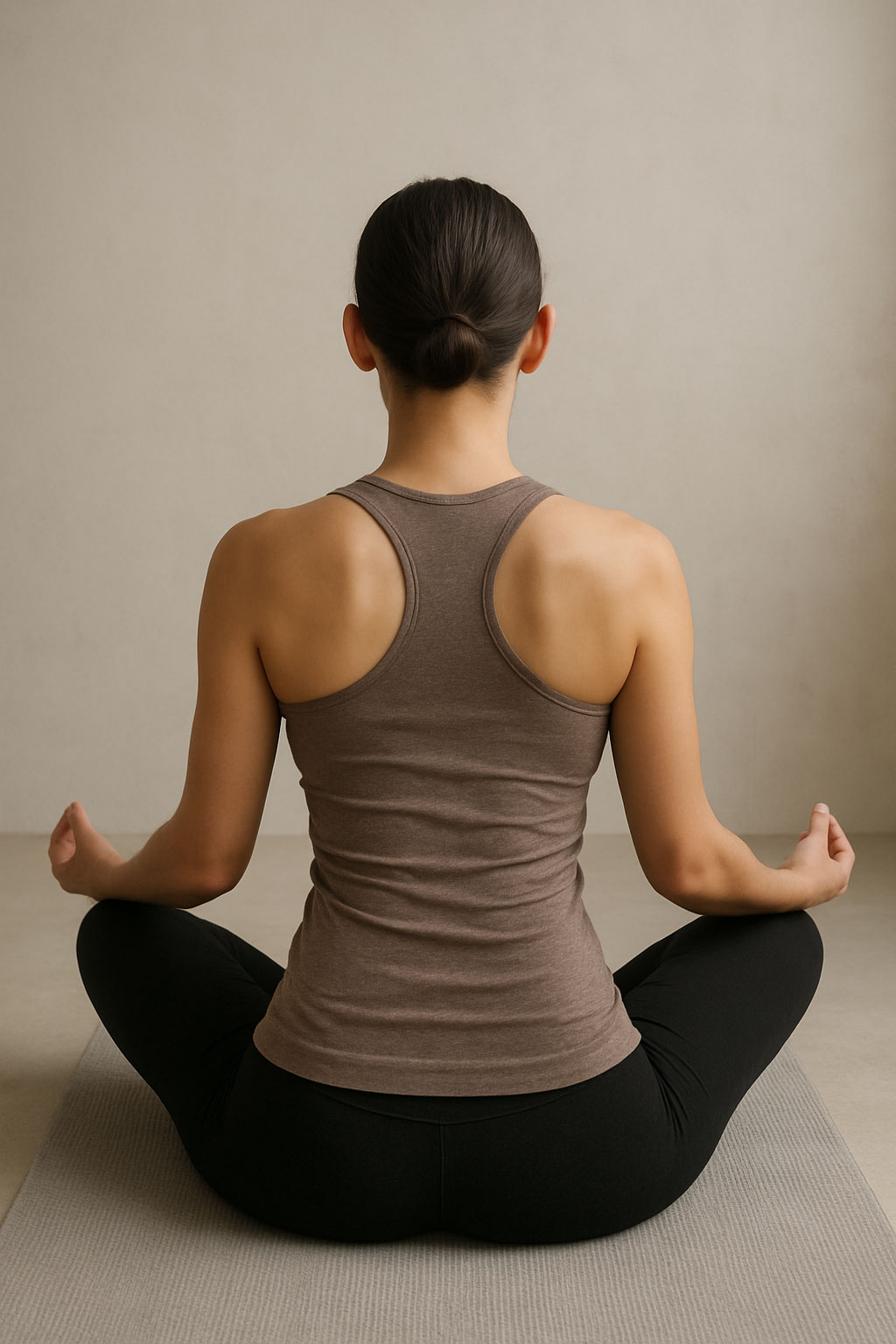
Align the ears over the shoulders and look 10 feet forward.
Time: (Repeats 30s)
Time: (Repeats 30s)
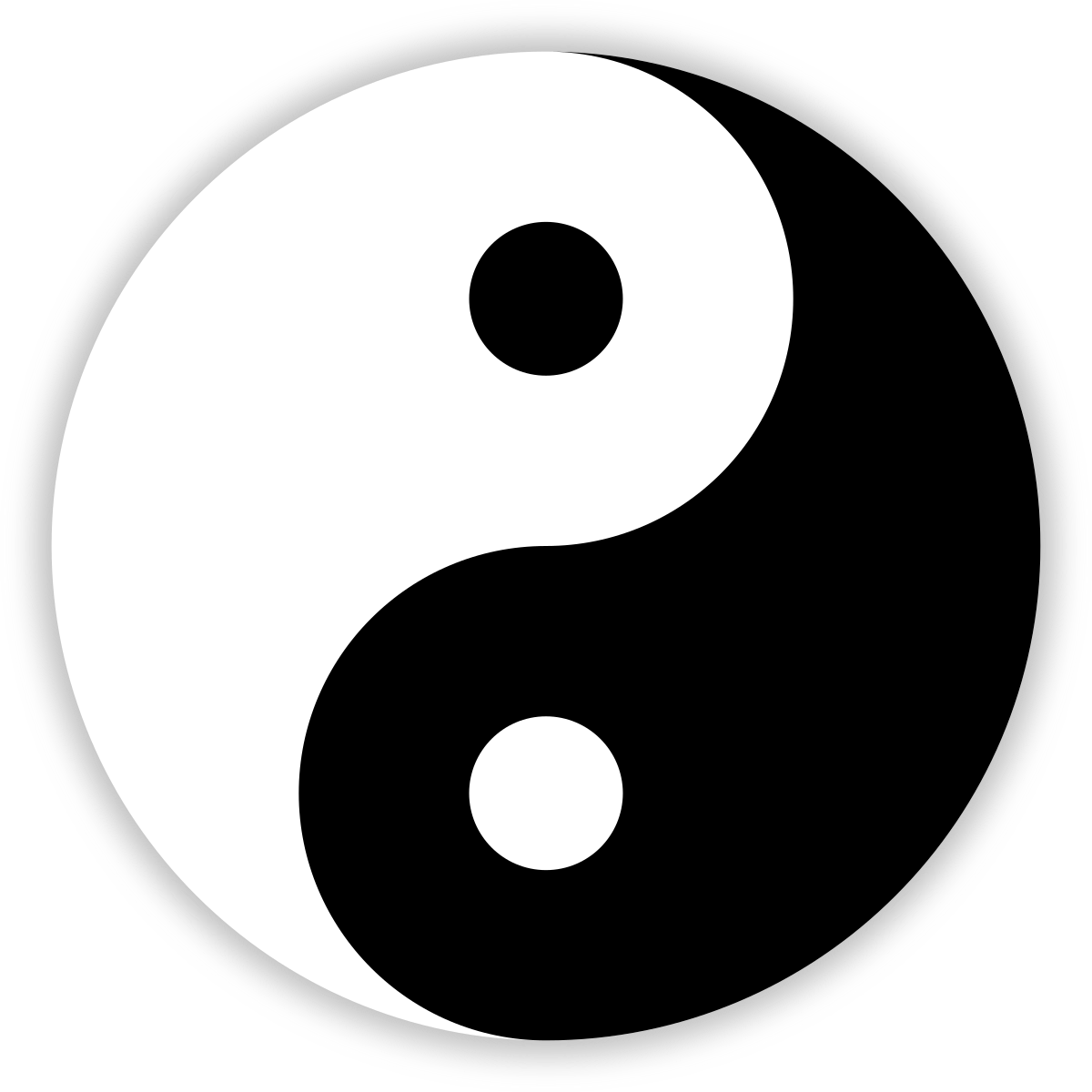
The Yin Yang symbol, also known as the Taijitu, represents the fundamental Taoist concept of duality and balance in the universe. It consists of a circle divided into a swirling black (Yin) and white (Yang) section, each containing a small circle of the opposite color, symbolizing how opposites contain the seed of each other. Yin represents qualities like darkness, stillness, femininity, and receptivity, while Yang signifies light, activity, masculinity, and assertion. Rather than opposing forces in conflict, Yin and Yang are interdependent and constantly transforming into one another, reflecting the dynamic harmony of all natural and human phenomena.
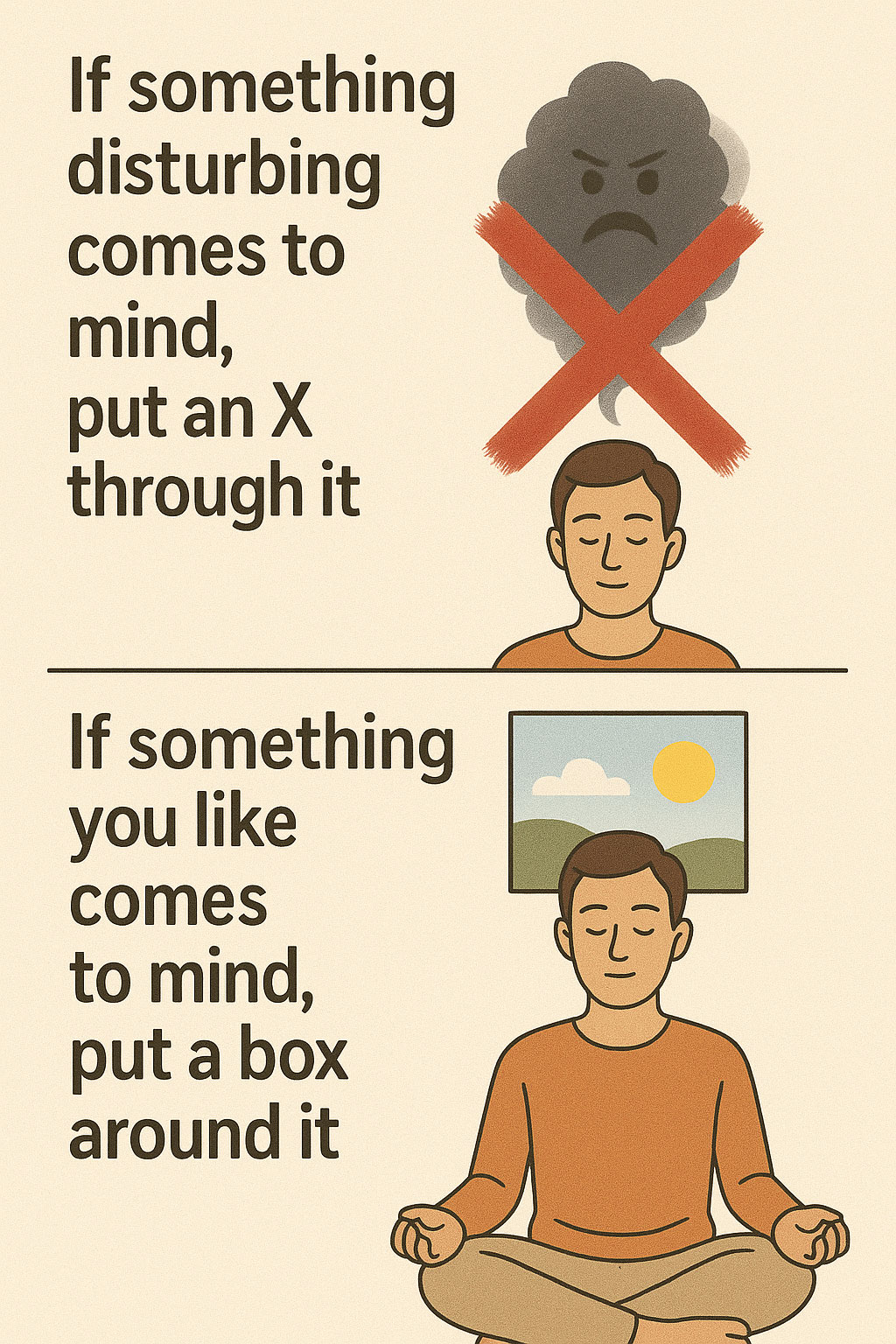
The “X through a thought” method can be helpful for briefly stopping mild or unwanted images, but it may backfire when thoughts are emotionally intense or recurring. In those cases, trying to block them can increase stress or make them feel more powerful.
Lovingkindness Meditation works better when deeper emotions are involved. Instead of fighting the thought, it brings compassion and warmth, helping you relate to the thought more gently and reducing its emotional grip over time.
Time: (Repeats 30s)

Time: (Repeats 30s)
Time: (Repeats 30s)
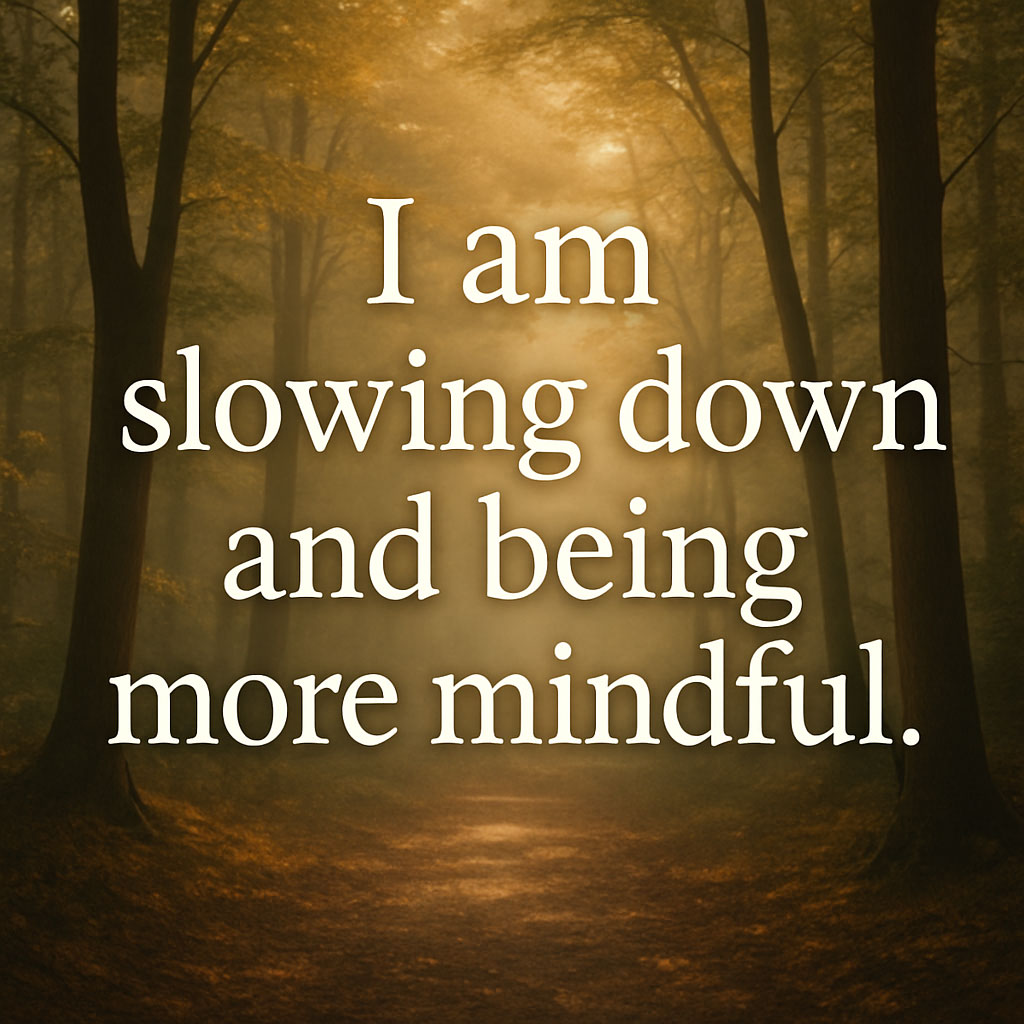
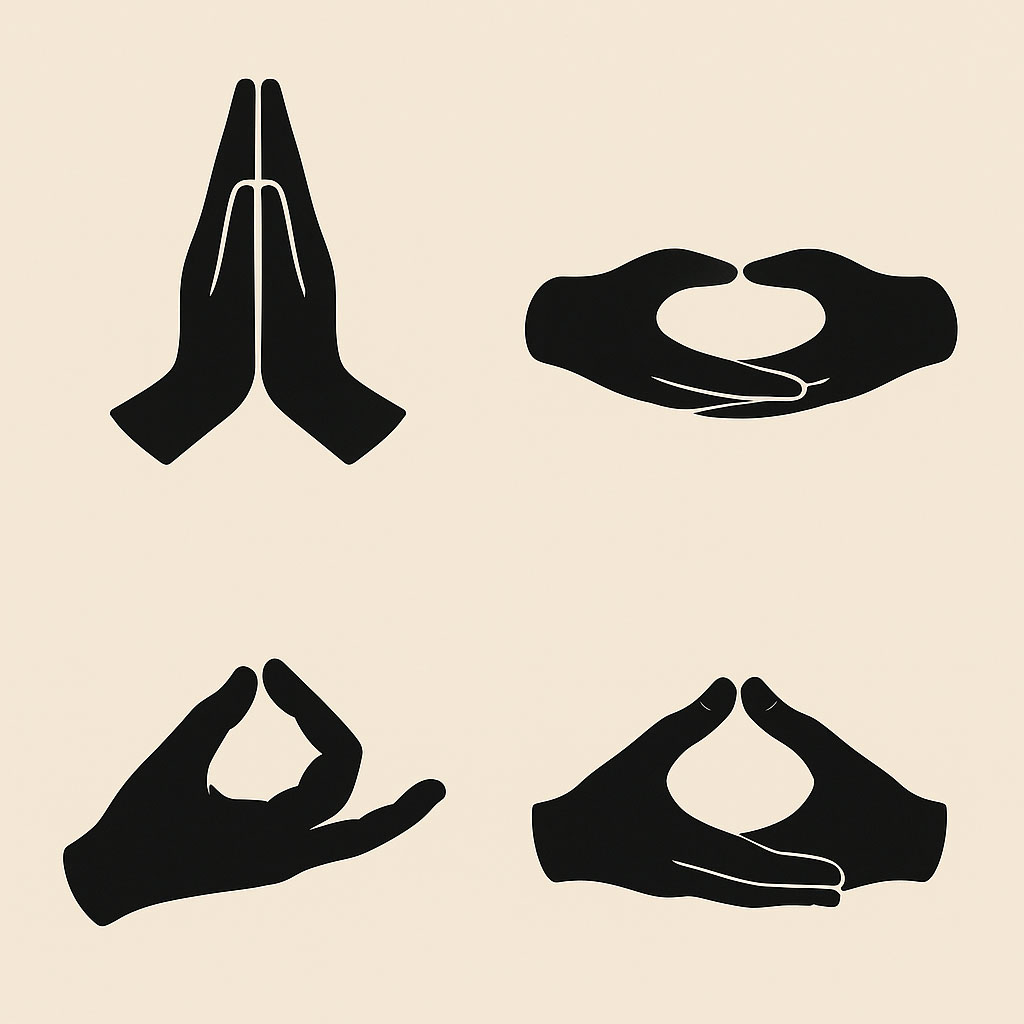
I can use prayer hands; or hands resting in the lap, right hand over left, thumbs touching; or, have backs of the hands on the legs with the thumbs touching the pointer or middle fingers.
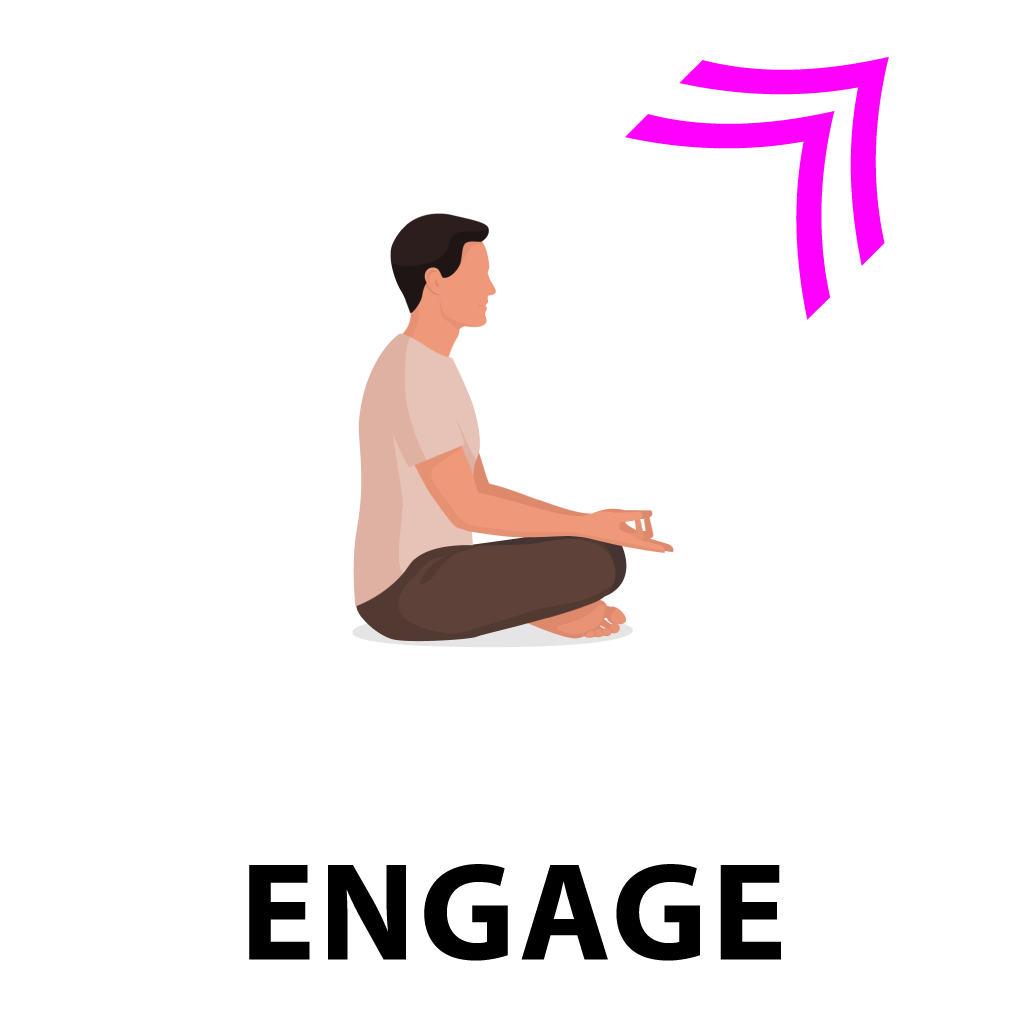
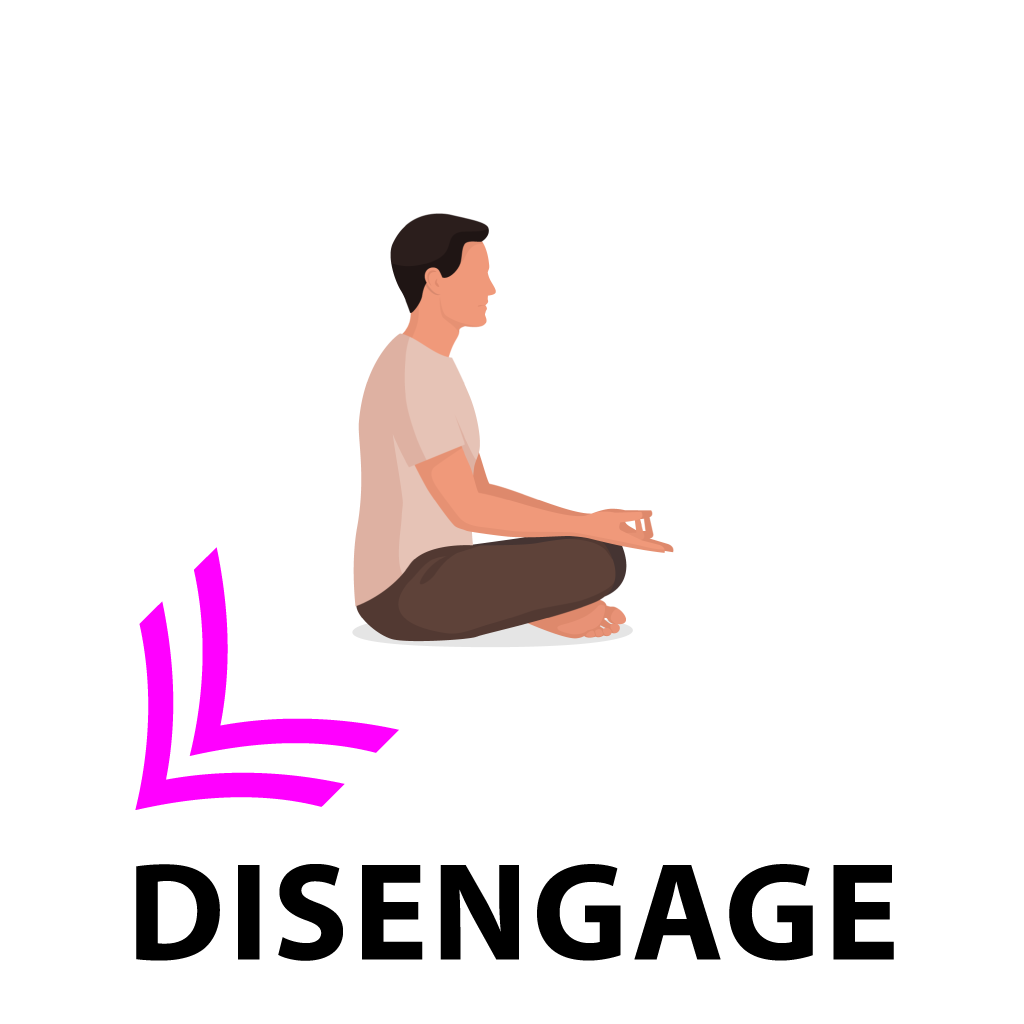
There are four basic ideas, energies, principles, or behaviors that are presented in the meditation. When you do any of these things the meditation is suggesting, you use a different part of your brain.
Sit or stand comfortably. Close your eyes gently. Take a deep breath in through your nose… and slowly exhale through your mouth.
As you breathe, imagine a soft light surrounding you—warm, peaceful, and flowing. This is the presence of Spirit, guiding you.
Let your thoughts settle. Imagine the silence as a vast space where wisdom floats gently. Be open to whatever arises—whether stillness, an insight, or a deep feeling of connection.
With your next inhale, feel a gentle energy moving through you. With your exhale, release anything heavy or distracting. Let each breath remind you that you are connected to something greater.
In the quiet, ask, “What does Spirit want me to know right now?” Don’t force an answer—simply notice any words, sensations, or images that arise. Trust whatever comes.
After a few moments, take another deep breath. Wiggle your fingers and toes. When ready, open your eyes, carrying this peaceful connection with you.
Here’s a mindful walking meditation based on the five phases of the Chinese Medicine Elements. Each phase represents an element and corresponds to a specific phase of the walking experience.
Closing: As you finish your walk, take a moment to pause. Reflect on the journey through the five elements. Notice how each phase has influenced your body, mind, and spirit. When you're ready, take a few deep breaths and allow yourself to return to the present moment, feeling more balanced, grounded, and connected.
Place one hand above the other on your belly and chest and rotate the energy slowly in a circle 3 times both directions.
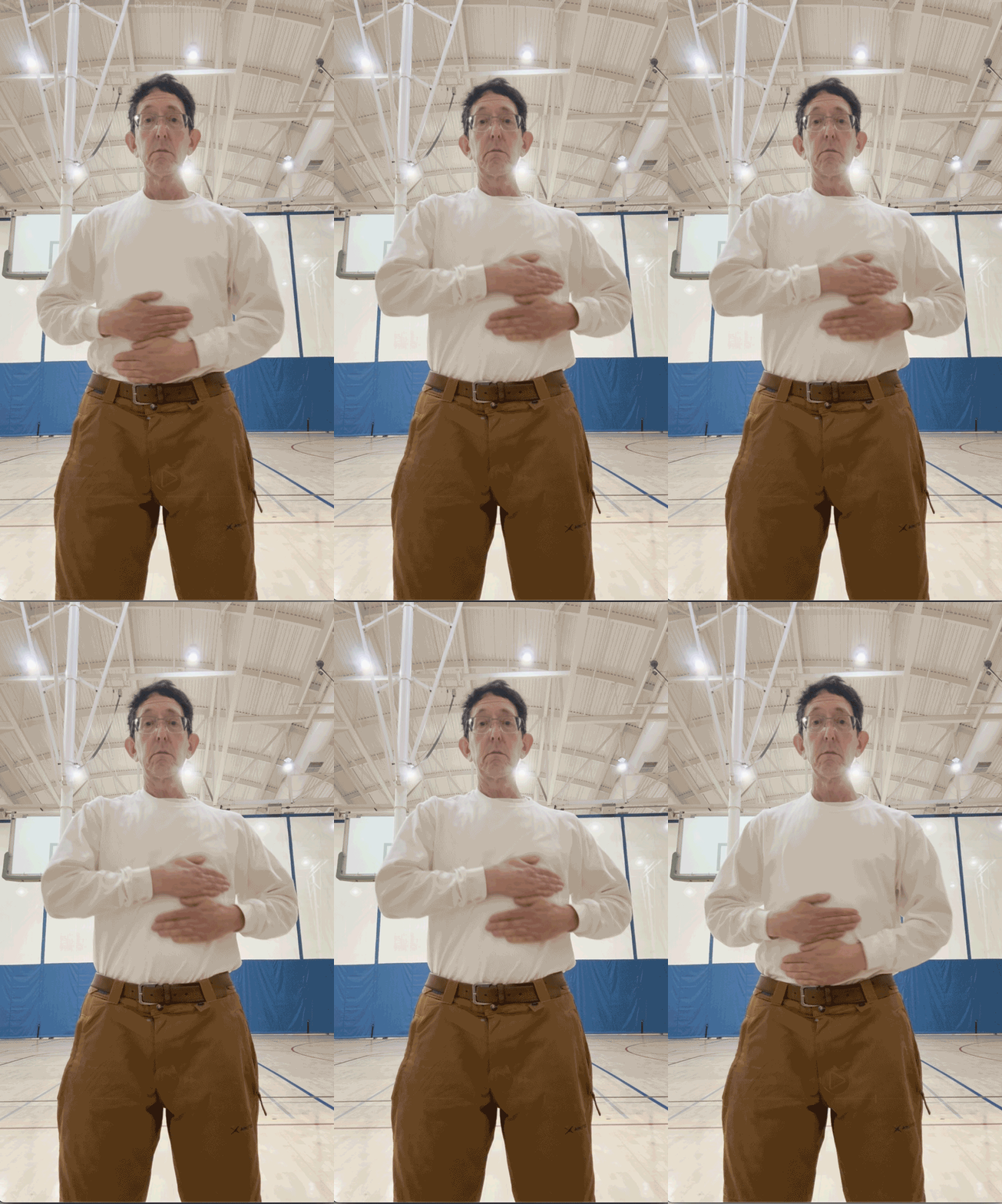
This centers and calms your body, affirming its worth. It also gets the energy flowing. Your brain needs stimulation and calming, but so do your lungs, large intestines, kidneys, bladder, liver, gallbladder, heart, small intestines, stomach, spleen, and pancreas, to improve your movements, feelings, and thoughts.
Here is a summary of the 10 Commandments from the Bible, traditionally given to Moses on Mount Sinai, as found in Exodus 20:
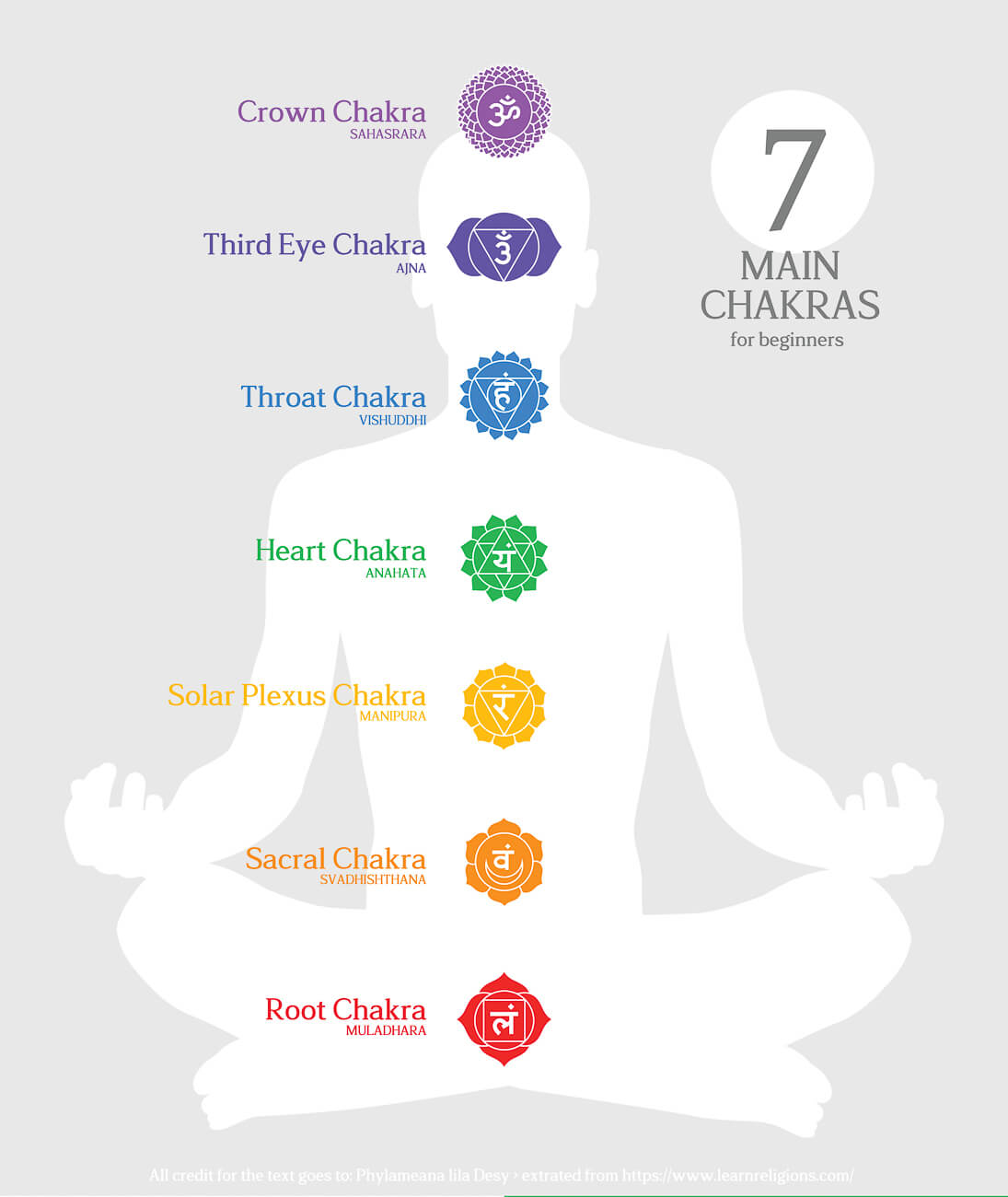
The chakra system is an ancient energy framework rooted in Indian spiritual traditions, describing seven primary energy centers aligned along the spine, from the base to the crown of the head. Each chakra corresponds to physical, emotional, and spiritual aspects of human life—starting with the Root (Muladhara) for stability and survival, followed by the Sacral (Svadhisthana) for emotions and creativity, the Solar Plexus (Manipura) for willpower and self-esteem, the Heart (Anahata) for love and compassion, the Throat (Vishuddha) for communication, the Third Eye (Ajna) for intuition and insight, and the Crown (Sahasrara) for spiritual connection. When these centers are balanced, energy flows freely through the body, promoting health, clarity, and inner harmony.
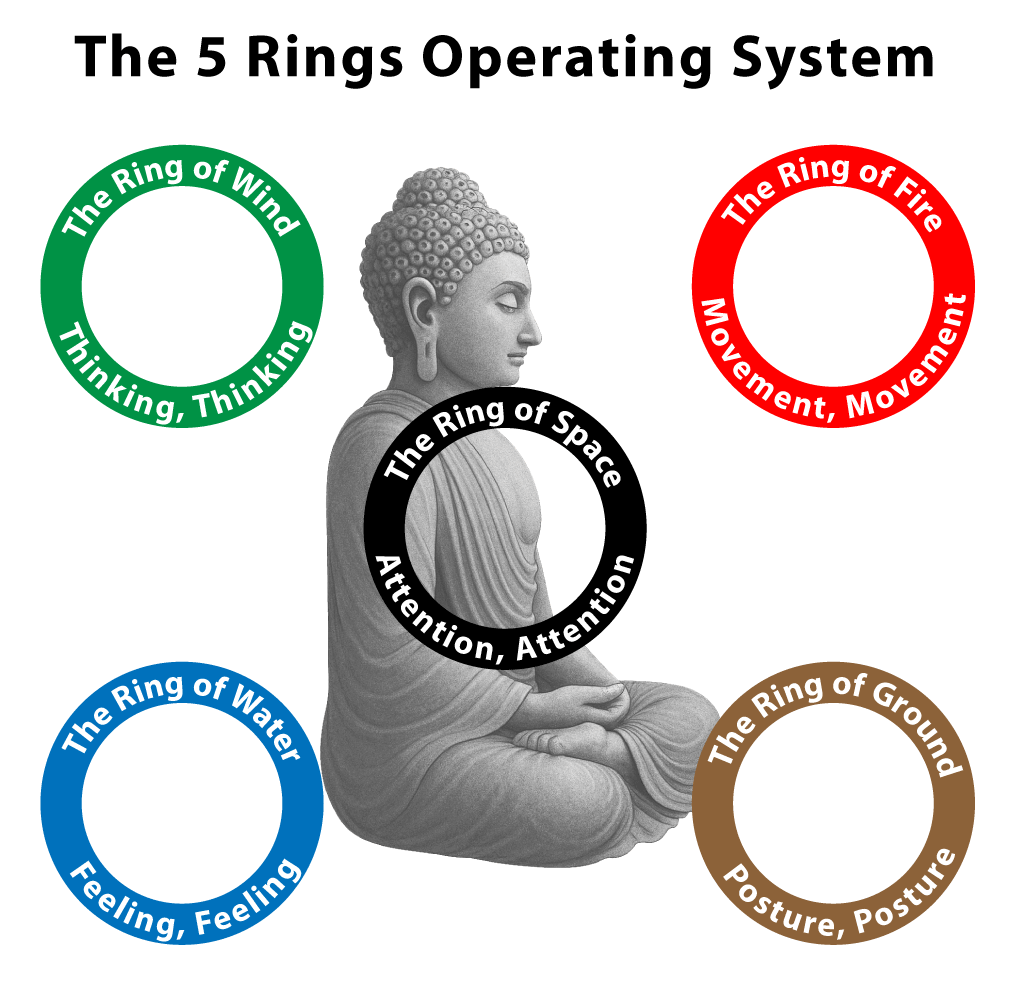
The 5 Rings System partitions reality into 5 aspects that can be thought about and experienced as somewhat distinct.
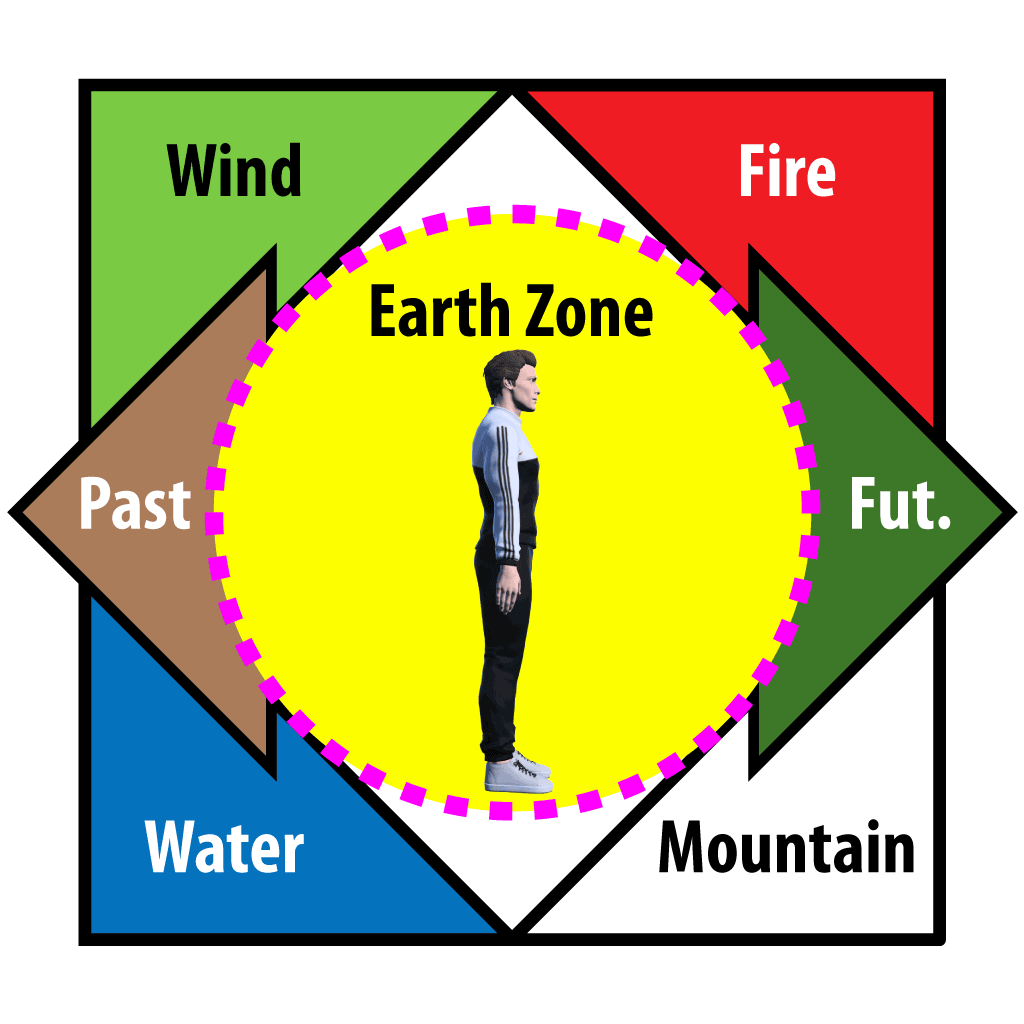
The 12 Rings System partitions reality into 12 aspects that can be thought about and experienced as somewhat distinct.
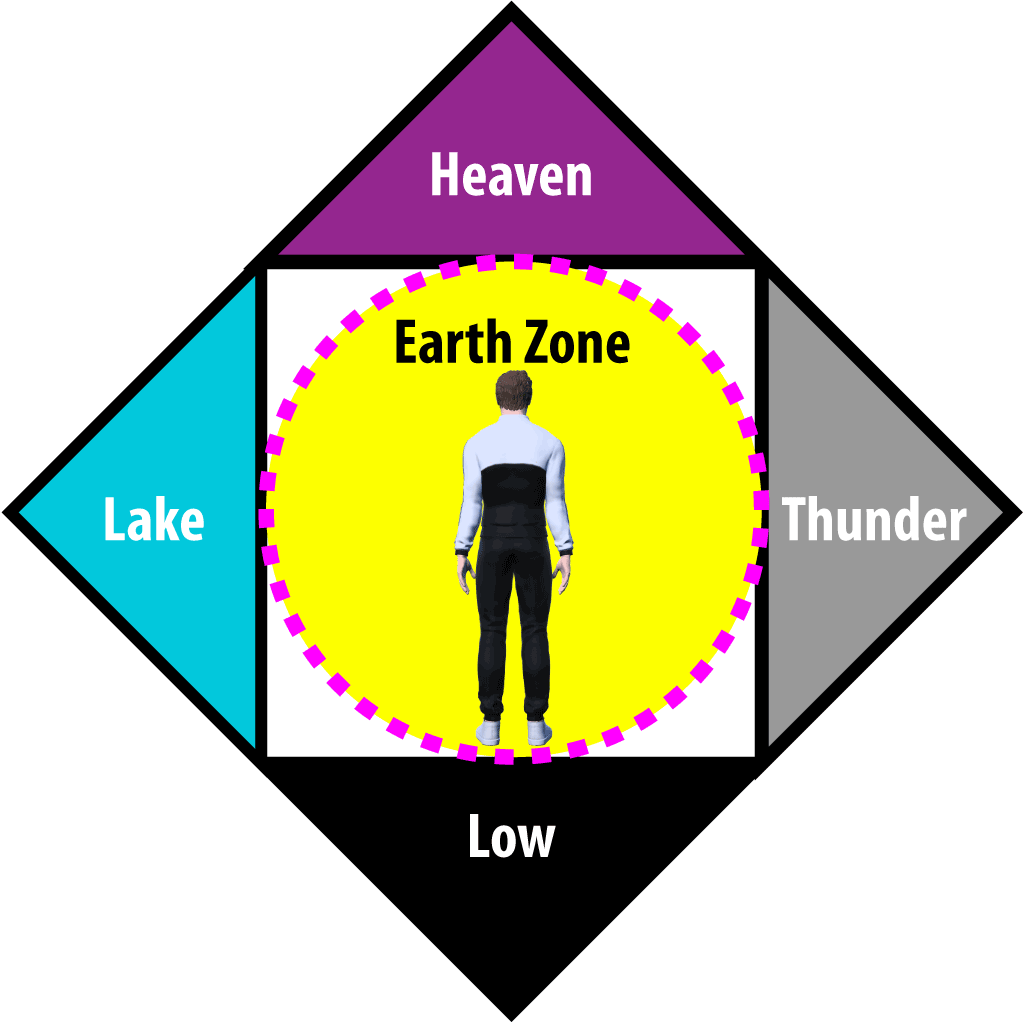
To protect myself, I can imagine a surface in the shape of a square, a circle, a triangle, or a cross between myself and others.

The "Go with the Flow" meditation chooses what idea to display every 15 or so seconds using a random number generator. If you are religious or spiritual, you may believe that God controls everything, including “randomness.” God also sees everything you are doing and thinking, and sees everything around you.
So the meditation could be seen as God guiding you, encouraging disengagement with some ideas you are having and engagement with other ideas you are having. In this way, the meditation is like a spirit guide, so you can follow, “The Will of the Universe,” or the “Will of God,” for you. But of course, everyone needs boundaries and limits, including how much one bends to the will of the Universe or God.
But have fun with it. It is like a Tarot Deck, the I Ching, or Magic 8 Ball where the connections keep coming every 15 seconds, so it stays current with your changing situation.
You can also listen to it while going to sleep. It can be pleasant and interesting this way as well.
Time: (Changes 15s)
Time: (Changes 15s)
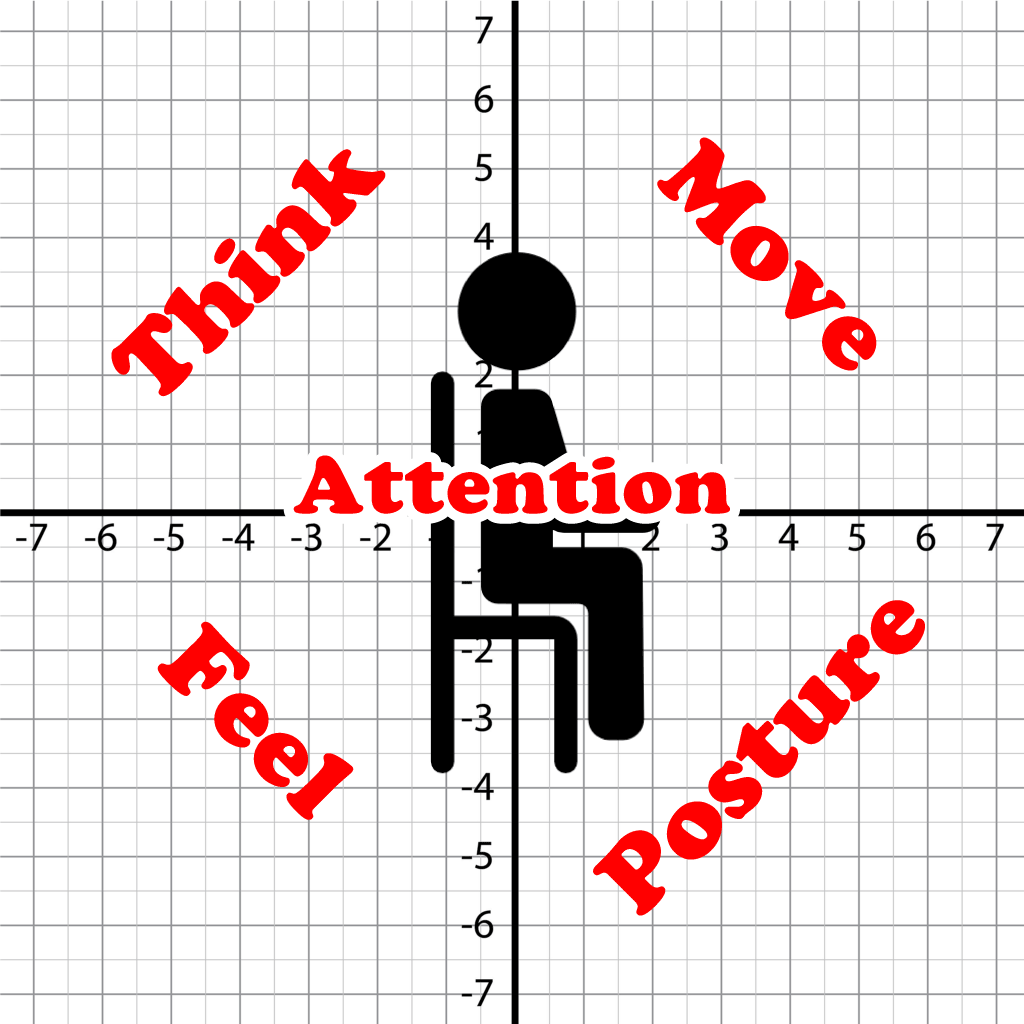
Time: (Changes 30s)
Time: (Changes 45s)
My goal is to do Countdown Calming while feeling the Chakra Locations: 7, 6, 5, 4, 3, 2, 1. Crown, Brow, Throat, Heart, Belly, Pelvis, Tailbone. It's like a snake wiggling down.
Time: (Changes 15s)
Here is a four-step self-improvement method:
Select the sequence type and step duration below, then tap the Start button.
To show how your brain uses these four neurological circuits, we have this simple driving simulation game.
Time: Score:

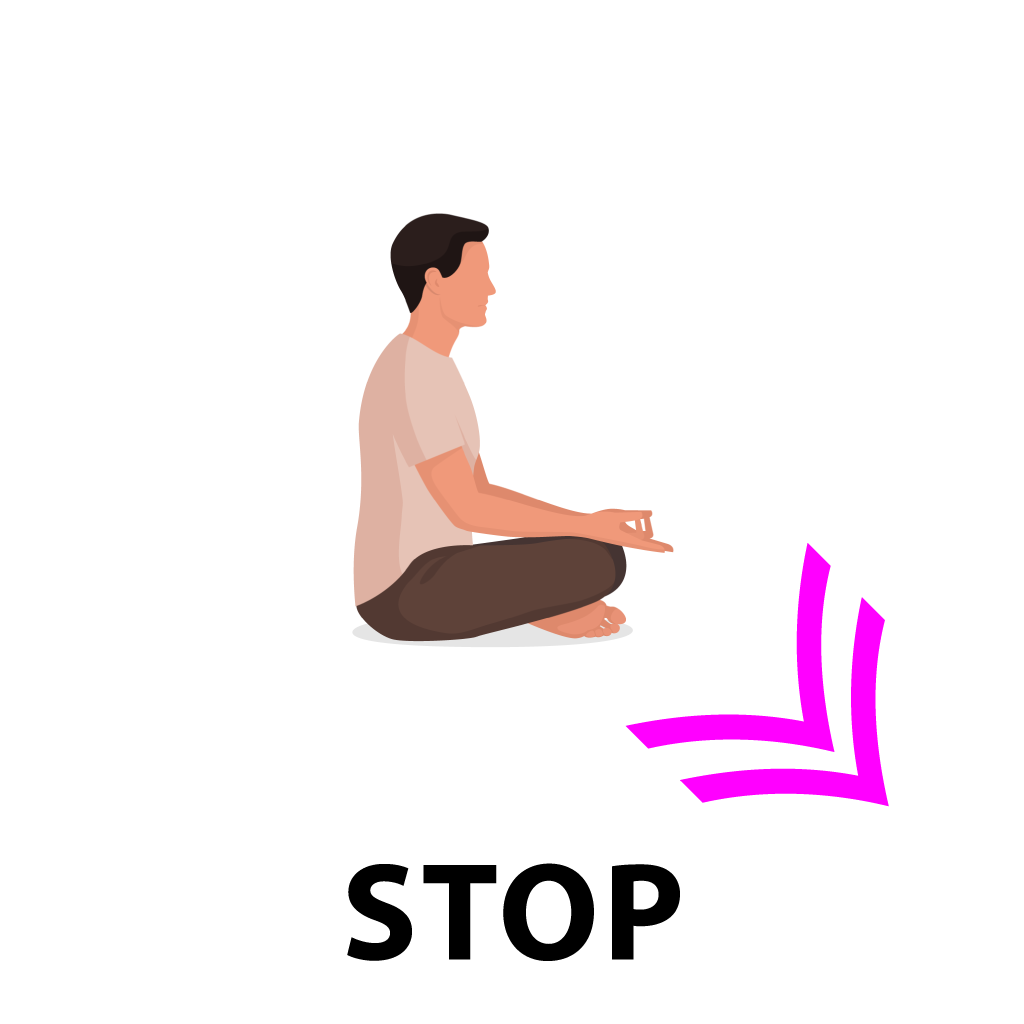 |
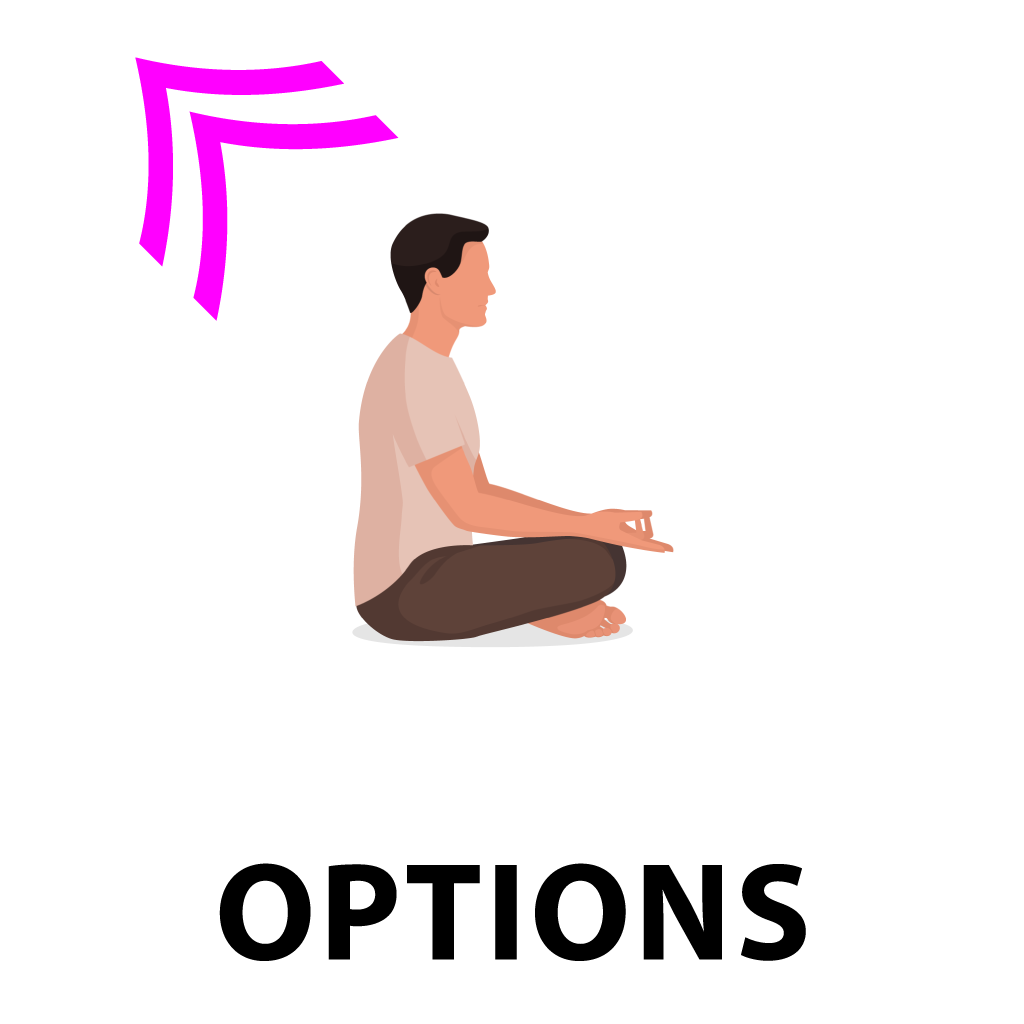 |
 |
 |
This app helps you learn about a variety of meditation methods. You can sit in any manner doing it. Tap the Autoplay button to do them in order, 1 minute per method. Use the menu to select just the one you want.
SOURCES:
1. Observation of the World.
2. The Buddha.
3. Many Tai Chi, Yoga, and Zen teachers.
4. Traditional Chinese Medicine basics.
5. Lewis Bostwick, Berkeley Psychic Institute.
6. Chat GPT.
Privacy Policy:
This app does not gather, store, or transmit any personal information.